
This blog post explores the systemic challenges facing global civilization, the cycles of growth and collapse in natural systems, and the urgent need for a cultural and technological shift towards sustainability, emphasizing the importance of integrating values of compassion and stewardship into our societal frameworks.
The talk titled "Planetary Face Shift and the Soul of Civilization" delves into the pressing issues of systemic collapse and the potential for creating a sustainable future. The speaker highlights the fragmentation of communication and the challenges of information overload, which have intensified in recent years. This post will explore the cycles of growth and collapse in both natural and human systems, the implications of energy return on investment, and the transformative potential of technology and values in shaping a sustainable civilization.
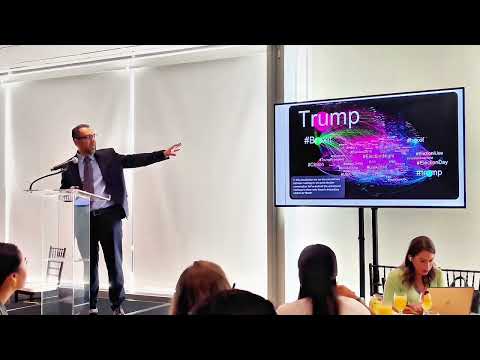
The speaker begins by discussing a study from 2016 that tracked communication bubbles, revealing how people have increasingly isolated themselves in closed networks. This fragmentation has led to a crisis of information overload, making it difficult for individuals to engage in meaningful conversations. The speaker argues that this phenomenon is not accidental but part of a larger systemic process that few understand.
A key concept introduced is the cycle of growth and collapse observed in natural systems, as articulated by systems ecologist Csikszentmihalyi. Every natural system, from animal populations to forests, undergoes a cycle that includes:
The speaker emphasizes that human civilizations are not separate from these natural cycles and have historically experienced similar phases. Currently, it is suggested that industrial civilization is transitioning from the conservation phase into the release stage, indicating a fracturing of the old order and the emergence of something new.
A significant point raised is the alarming findings of a 2022 UN report on disaster risk reduction, which assessed the risk of global civilization collapse. The report indicates a dangerous trend towards collapse, highlighting the interconnectedness of various crises, including energy, inflation, and climate change. The speaker notes that these crises are not isolated but part of a single systemic crisis affecting civilization as a whole.
The concept of energy return on investment (EROI) is crucial in understanding the sustainability of our energy systems. EROI measures the amount of usable energy obtained from energy invested. Historically, the EROI of fossil fuels peaked in the 1960s and has since declined significantly. By 2030, projections suggest that a substantial portion of energy will be consumed just to extract more oil, rendering the current system unsustainable.
The speaker introduces the term "poly crisis" to describe the interconnected nature of the various crises facing humanity. This crisis is characterized by a lack of resilience in our organizational systems, which were not designed to cope with such complex challenges. As we navigate this chaotic landscape, it is essential to recognize the opportunities for transformation that arise during the release stage of the cycle.
Despite the challenges, the release stage presents unique opportunities for innovation and change. The speaker highlights the exponential growth of clean energy technologies, such as solar and wind power, which are becoming increasingly cost-effective. Projections indicate that by 2050, solar power could dominate the energy landscape, provided there is adequate investment in vulnerable regions.
Additionally, advancements in transportation, food production, and artificial intelligence are emerging, signaling a shift towards a more sustainable and efficient system. However, the speaker warns that technology alone cannot save us; a new organizing system is necessary to ensure equitable distribution and management of these resources.
The speaker emphasizes that the new civilization must be built on a foundation of values that prioritize compassion, stewardship, and justice. As we transition to a more sustainable future, it is crucial to re-engineer the fabric of our society to reflect these values. This involves decentralizing ownership of resources, rethinking supply chains, and fostering a culture of planetary stewardship.
In conclusion, the talk serves as a wake-up call for humanity to embrace a new paradigm that integrates technological advancements with a commitment to ethical values. The challenges we face are significant, but the potential for creating a sustainable and equitable future is within our reach. By fostering a culture of compassion and stewardship, we can navigate the complexities of our time and build a civilization that thrives in harmony with the planet.



















