
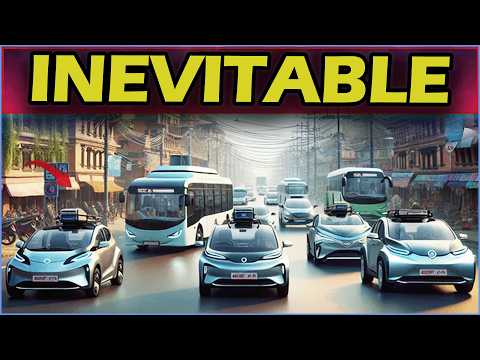
Nepal is leading the charge in electric vehicle (EV) adoption, surpassing many developed nations. With government support, low import tariffs, and abundant hydroelectric power, the country has transformed its automotive landscape, achieving 76% EV sales. This blog explores the factors driving Nepal's EV boom and its implications for global energy independence and environmental sustainability.
Electric vehicle (EV) adoption is on the rise globally, with significant growth in the US, Europe, and Asia. Contrary to the belief that the EV movement is waning, particularly in the US, the reality is that countries around the world are rapidly transitioning to electric mobility. This blog post delves into the remarkable case of Nepal, a country that has emerged as a surprising leader in EV adoption, and explores the factors contributing to this shift.
The narrative that EVs are losing momentum is popular among fossil fuel advocates and skeptics. However, as highlighted by Bloomberg, the global transition to electric vehicles is accelerating, particularly in developing nations. Countries without a domestic auto industry are increasingly turning to affordable EV options from brands in China and India, leaving US manufacturers behind in the race.
While Norway and Denmark often receive attention for their EV adoption rates, several developing countries are making significant strides. For instance, Vietnam's VinFast accounted for over a third of the country's vehicle sales this year. Turkey's fully electric vehicle sales share is double that of Spain and Australia, while Indonesia's EV market share is comparable to that of the US. Notably, Malaysia has also seen a higher penetration of electric vehicles.
Among these emerging markets, Nepal stands out as a leader in EV adoption. In a surprising turn of events, the country has seen a dramatic increase in electric vehicle sales, with 76% of vehicle imports being electric. This shift is not merely a trend; it reflects a broader commitment to energy independence and environmental sustainability.
Government Initiatives: In 2021, the Nepalese government recognized the potential of electric vehicles and eliminated import tariffs on EVs. This policy change made electric cars more accessible to the population, paving the way for widespread adoption.
Hydroelectric Power: Nepal has abundant hydroelectric resources, which have allowed the country to triple its electric generation in the past eight years. With a national grid capacity of 2,300 megawatts, Nepal can not only meet its domestic energy needs but also export electricity, resulting in lower energy costs for consumers.
Cost Efficiency: The cost of electricity in Nepal is significantly lower than in many developed countries, with an average of 4 cents per kilowatt-hour compared to 12 cents in the US. This cost advantage, combined with the high price of petrol (approximately $4.50 per gallon), makes electric vehicles an economically attractive option for consumers.
Environmental Concerns: The shift to electric vehicles has led to cleaner air and quieter cities. As Nepal's urban areas become less polluted, the public's enthusiasm for EVs continues to grow.
The transformation in Nepal's automotive market is remarkable. Just a few years ago, electric vehicles were virtually nonexistent. Today, the country has embraced smaller, affordable electric cars that cater to the needs of its population. The demand for low-cost vehicles is critical, given that Nepal ranks low in per capita income.
As Nepal continues to lead in electric vehicle adoption, the implications for energy independence and environmental sustainability are profound. The country's commitment to reducing reliance on fossil fuels not only enhances national security but also sets a precedent for other developing nations.
Nepal's rapid transition to electric vehicles is a testament to the power of government policy, resource availability, and public demand. As the world grapples with climate change and energy security, Nepal's model offers valuable lessons for other nations. The future of transportation may very well be electric, and Nepal is at the forefront of this revolution, demonstrating that even countries with limited resources can lead the way in sustainable mobility.



















