
This blog post explores the advancements in solar energy technology, including innovative solar cars, floating solar panels, and space solar power, highlighting the potential for a cleaner, sustainable future powered by the sun.
As the world grapples with the challenges of climate change and the need for sustainable energy sources, solar energy emerges as a beacon of hope. With the sun being the most abundant energy source in our solar system, innovative technologies are being developed to harness its power more efficiently than ever before. This blog post delves into the latest advancements in solar energy, from solar cars to floating solar panels and even space solar power.
A global industrial revolution is underway, driven by passionate individuals dedicated to creating a cleaner world. The transition from fossil fuels to renewable energy sources is not just a necessity; it is a moral imperative for the well-being of future generations. Currently, solar energy accounts for only 2% of the world's energy consumption, indicating a vast opportunity for growth and innovation.
Most solar power today is generated using silicon solar panels, which consist of individual cells made from crystalline silicon. These cells convert sunlight into electricity by allowing electrons to flow when light hits them. While these panels are common on rooftops worldwide, the challenge remains in transitioning transportation away from fossil fuels.
A tech startup in Holland has taken on the challenge of revolutionizing personal travel with a solar-powered car that charges itself for free. This initiative began with the World Solar Challenge, where students from around the globe compete with solar-powered vehicles. The Dutch team from Eindhoven created "Stella," the world's first solar-powered family car, designed for comfort and practicality.
Stella's design focused on aerodynamics and efficiency, allowing it to achieve impressive speeds while carrying multiple passengers. After winning the race, the team founded Lightyear, aiming to bring solar-powered cars to the public. Their goal is to develop a vehicle that maximizes solar energy use, with plans for a more affordable version in the future.
As land for solar farms becomes scarce, innovative solutions like floating solar panels are gaining traction. Ocean Sun, a company founded by Borer Bionet, is creating platforms for solar panels that float on water bodies. This approach not only utilizes otherwise unused surfaces but also combines solar power generation with existing hydroelectric infrastructure, providing a steady power supply throughout the year.
The concept of space solar power is being explored by teams at the US Naval Research Laboratory. This technology involves placing solar panels in space to collect sunlight and beam it back to Earth as electricity. The potential applications are vast, from powering remote areas to providing energy in disaster-stricken regions. The technology is still in its infancy, but successful tests have demonstrated the feasibility of transmitting power over long distances using laser beams.
In Australia, companies like Rayen are pushing the boundaries of solar technology with concentrated solar power systems. These systems use mirrors to focus sunlight onto a small area, significantly increasing the energy output. By utilizing multi-junction solar cells, which can convert a higher percentage of sunlight into electricity, these systems promise to revolutionize solar energy production.
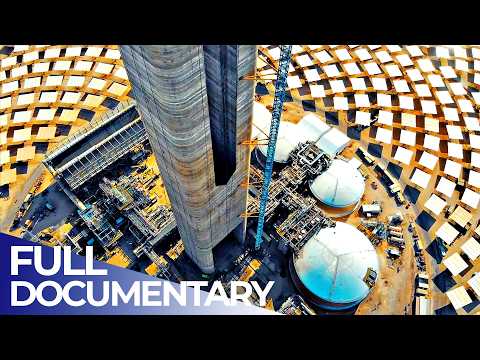
Projects like Sero Dominador in Chile are taking solar energy to new heights—literally. This solar tower uses a field of mirrors to concentrate sunlight onto a receiver at the top, generating high-temperature steam to drive turbines and produce electricity. With the ability to store energy using molten salt, this technology can provide power even after the sun sets, addressing one of the major limitations of traditional solar power.
The advancements in solar technology are paving the way for a sustainable future. With innovations in solar cars, floating solar panels, and space solar power, the potential for harnessing the sun's energy is limitless. As the cost of solar panels continues to decrease and efficiency improves, solar energy is becoming the most affordable power source available.
The transition to solar energy is not just a possibility; it is an imperative for a sustainable future. With ongoing research and development, the dream of a world powered by clean, renewable energy is becoming a reality. As we harness the full potential of the sun, the future looks bright for solar energy and the planet as a whole.



















