
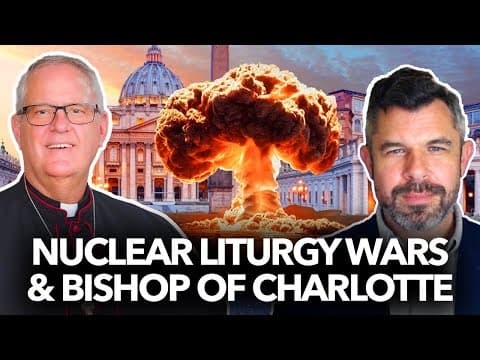
The recent actions of Bishop Michael Martin of Charlotte have ignited intense debate within the Catholic community, particularly regarding the traditional Latin Mass and liturgical practices. This blog post explores the implications of his decisions, the reactions from the faithful, and the broader context of the ongoing liturgical wars in the Church.
The Catholic Church is currently witnessing a significant upheaval in its liturgical practices, particularly in the Diocese of Charlotte under Bishop Michael Martin. This situation has escalated to what many are calling a "nuclear liturgy war," as the bishop's recent decisions have sparked widespread concern and debate among the faithful.
When Pope Leo XIV was elected, many Catholics felt a renewed sense of hope as he donned traditional papal attire and celebrated his first Mass in Latin, chanting the Gloria and the Creed. This led to optimism that the Church might be moving towards a more reverent liturgical practice, potentially easing the ongoing liturgical wars. However, the situation took a drastic turn with Bishop Martin's recent actions.
Bishop Martin, who has been in office for less than a year, has made significant changes to the celebration of the Latin Mass in Charlotte. Initially, there were nine locations for the Latin Mass, which have now been reduced to just one. This single location will be a Protestant church outside of town, a decision that has left many parishioners feeling marginalized and concerned about the future of their worship.
Reports have surfaced regarding a letter allegedly drafted by Bishop Martin that outlines strict restrictions on various practices within the Novus Ordo Mass. These restrictions include:
These proposed changes have caused an uproar, particularly among those who value the traditional aspects of the liturgy. Many see these restrictions as an attack on the reverence and beauty that have characterized Catholic worship for centuries.
The reaction to Bishop Martin's decisions has been overwhelmingly negative among traditional Catholics. Many feel that the bishop's actions are not only a regression to less reverent practices but also a direct affront to the rich liturgical heritage of the Church. The faithful are expressing their concerns on social media platforms, particularly on X (formerly Twitter), where discussions about the implications of these changes are rampant.
The situation has led to fears that the Diocese of Charlotte, once considered one of the healthiest dioceses in the United States with a thriving community and numerous vocations, is now facing a crisis of identity and purpose. The drastic reduction in Latin Mass locations and the imposition of strict liturgical norms have left many feeling alienated.
The current turmoil in Charlotte is reflective of a larger trend within the Catholic Church, particularly in the wake of Pope Francis's papacy. Over the past twelve years, there has been a noticeable shift towards informality and a lack of solemnity in liturgical practices. This has left many Catholics feeling that their rich tradition is being undermined.
The liturgical wars are not merely about the style of worship; they represent a deeper ideological divide within the Church. On one side are those who advocate for a return to traditional practices, emphasizing reverence, beauty, and the historical continuity of the faith. On the other side are those who push for a more modern, informal approach to worship, often at the expense of tradition.
In light of the current situation, some have humorously suggested that investing in felt banners and polyester vestments might be a wise financial move, as these materials may see a resurgence in popularity if the trend towards informal liturgy continues. This tongue-in-cheek commentary highlights the absurdity many feel regarding the direction of liturgical practices under Bishop Martin.
The developments in the Diocese of Charlotte under Bishop Michael Martin have ignited a fierce debate about the future of Catholic liturgy. As the faithful grapple with the implications of these changes, it is clear that the liturgical wars are far from over. The situation calls for prayer, dialogue, and a commitment to preserving the beauty and reverence that have long been hallmarks of the Catholic faith. The hope remains that the Church can find a way to honor its traditions while also engaging with the contemporary world in a meaningful way.



















