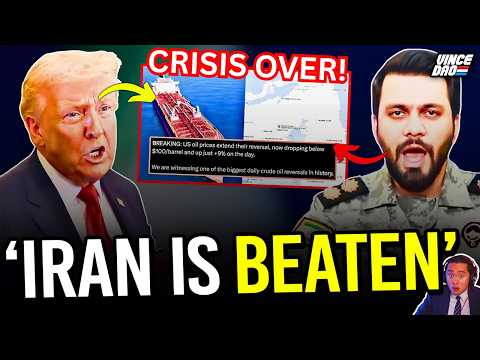
US oil prices have dropped significantly following the reopening of the Strait of Hormuz for tanker passage under US protection and the substantial weakening of Iran's naval and missile capabilities. This development suggests a temporary resolution to the energy crisis linked to Middle East tensions, potentially easing gas prices ahead of the midterm elections and challenging the narrative of a prolonged conflict.
Recent developments in the Middle East have led to a dramatic shift in global oil markets. US oil prices, which had been rising steadily due to geopolitical tensions and supply concerns, suddenly began to drop sharply. This change coincides with the reopening of the Strait of Hormuz for oil tankers under US escort and a significant reduction in Iran's military capabilities. This article explores the details behind these events, their implications for oil prices, and what they might mean for the future.
The Strait of Hormuz is a critical shipping lane through which a substantial portion of the world's oil supply passes. Recent conflicts had threatened to close this vital route, causing oil prices to surge due to fears of supply disruptions.
However, a major breakthrough occurred when a large oil tanker successfully passed through the Strait of Hormuz under US military escort. This marked the first such passage in recent times and signaled a potential stabilization of the region's oil supply routes.
The US government has also announced it will provide insurance for tankers navigating this dangerous area, a move that had been avoided by major insurance companies due to the high risk. This security guarantee, combined with military protection, has encouraged tanker operators to resume transit through the strait.
The US has been actively targeting Iran's military assets in the region. According to reports, the US has destroyed a significant portion of Iran's naval vessels and ballistic missile launchers. Specifically, about 80% of Iran's missile launchers have been wiped out, leaving only around 150 remaining, which Iran cannot replenish.
This attrition has drastically reduced Iran's ability to threaten shipping lanes and conduct retaliatory strikes. The Iranian navy is now considered combat ineffective, and their missile attacks have decreased by approximately 90%.
These military setbacks have diminished the threat level in the Persian Gulf, contributing to the renewed confidence in the safety of oil shipments.
Following these developments, US oil prices experienced one of the largest daily reversals in history, dropping below $100 per barrel after a period of sustained increases.
This price movement is not accidental; it reflects market confidence that the supply risks associated with the Middle East conflict are diminishing. The reopening of the Strait of Hormuz and the weakening of Iran's military capabilities have alleviated fears of prolonged supply disruptions.
Moreover, prediction markets have adjusted their forecasts, lowering expectations for how high oil prices might spike in the near future.
The timing of these events is significant, especially with the US midterm elections approaching. Gas prices are a critical political issue, and a temporary spike could influence voter sentiment.
The Trump administration has framed the energy crisis as a short-term issue, expecting a resolution within weeks rather than months or years. Recent market trends seem to support this view, suggesting that the crisis may be a temporary blip rather than a prolonged problem.
Furthermore, the US has achieved a degree of energy independence, with only 4-5% of its oil imports coming from the Persian Gulf. This reduces the direct impact of Middle East supply disruptions on domestic gas prices.
Despite the physical supply of oil being relatively secure, prices have been influenced heavily by geopolitical risk and market speculation. Fear and uncertainty about the conflict have driven prices up, rather than actual shortages.
As the situation stabilizes and the perceived risk diminishes, prices are expected to fall rapidly, potentially returning to pre-conflict levels or even lower if Iranian oil re-enters Western markets.
The recent reopening of the Strait of Hormuz under US protection and the significant degradation of Iran's military capabilities have led to a sharp decline in oil prices. These developments suggest that the energy crisis linked to Middle East tensions may be temporary, with positive implications for global markets and US domestic gas prices.
While uncertainties remain, the current trends indicate a potential swift resolution to the conflict, challenging narratives of a prolonged war and sustained energy crisis. This could have important political ramifications, especially as the US approaches its midterm elections.
What do you think about these developments? Do you believe the energy crisis will be short-lived, or are there risks that could prolong the conflict and keep prices high? Share your views in the comments below.