
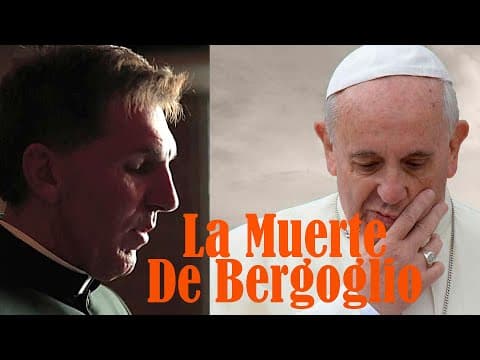
In a recent commentary, Padre Altman critiques Pope Bergoglio's leadership, suggesting he misled followers and failed to uphold the Church's teachings. He expresses skepticism about the upcoming conclave, particularly regarding Cardinal Farrell's involvement, given his past associations with controversial figures. Altman emphasizes the historical challenges within the Church hierarchy and warns of the implications for future leadership.
In a recent commentary, Padre Altman shared his thoughts on the impending conclave and the controversial legacy of Pope Bergoglio. His remarks have sparked discussions among the faithful regarding the future direction of the Catholic Church.
Padre Altman did not hold back in his assessment of Pope Bergoglio, asserting that he was not merciful and had misled people into sin without concern. He questioned whether the Pope's actions were due to ignorance or intentional malice, ultimately concluding that Bergoglio was not as uninformed as some might believe. Altman described him as a product of a long-term infiltration of the Church, referring to a group he called the "St. Gallen Mafia," which he claims has been orchestrating changes within the Church for decades.
A significant part of Altman's commentary focused on the concept of salvation, particularly at the moment of death. He argued that salvation is determined at the time of death, and he expressed skepticism about the possibility of last-minute conversions. He referenced the example of historical figures like Hitler, suggesting that there often isn't enough time for genuine repentance in such moments. Altman emphasized that Bergoglio had a month to reconsider his actions before his death, but he believes he failed to do so.
As the Church prepares for the upcoming conclave, Altman raised concerns about the integrity of the process. He pointed out that the hierarchy of the Church has historically been flawed, citing the example of the Sanhedrin during Jesus's time, where the majority chose to crucify Him despite witnessing His miracles. This historical context led him to question the likelihood of finding holy and saintly leaders in today's Church.
A focal point of Altman's critique was Cardinal Kevin Farrell, who is set to play a significant role in the upcoming conclave. Altman highlighted Farrell's past association with Theodore McCarrick, a figure embroiled in scandal for his misconduct. He expressed alarm that someone with such connections would be involved in selecting the next Pope, suggesting that this could have dire implications for the Church's future.
Padre Altman's commentary serves as a stark reminder of the challenges facing the Catholic Church today. His insights into the legacy of Pope Bergoglio and the upcoming conclave raise important questions about the direction of Church leadership and the integrity of its processes. As the faithful await the outcome of the conclave, Altman's words resonate with those concerned about the future of the Church and its adherence to its foundational teachings.



















