
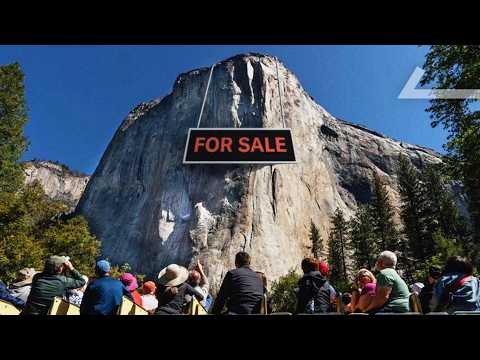
Park rangers are facing significant challenges, including job insecurity, inadequate housing, and low wages. The recent firings and systemic issues within the National Park Service have sparked a movement for unionization among park workers to secure better rights and protections.
The National Park Service (NPS) is facing a crisis that has prompted park workers to call for unionization. With systemic issues affecting their working conditions, financial stability, and job security, park rangers and other employees are banding together to advocate for their rights. This blog post explores the challenges faced by park workers and the urgent need for union representation.
Park workers have long endured below-standard wages and unsafe working conditions. Many rangers live paycheck to paycheck, struggling with financial stressors that are exacerbated by inadequate housing. Reports of rodent infestations and unlivable conditions in staff housing are common, highlighting the urgent need for improvements.
Recent layoffs have further intensified concerns among park employees. Approximately 1,000 federal park employees, representing about 10% of the workforce, were laid off, including 5% of National Park Service employees. This wave of firings has shattered the assumption of job security that many park workers held, leading to a climate of fear regarding their employment status.
In response to these challenges, there has been a significant shift towards unionization within the National Park Service. As of now, nearly 100 parks are in the process of organizing to form unions. This movement is fueled by the desire for better protections and rights for park workers, who have historically faced systemic issues without adequate support.
A recent incident involving a Yosemite Park ranger who was fired for hanging a trans flag from El Capitan has brought attention to the precarious nature of employment within the NPS. This termination was unprecedented, as hanging flags has been a long-standing tradition among climbers. The ranger, who had worked for four and a half years, felt that their lack of permanent status left them vulnerable to such actions, while other employees involved faced no disciplinary measures due to their permanent status.
Park workers often form tight-knit communities due to the rural locations of national parks. These communities are essential for providing support and resources in challenging environments. The bond among park employees is strong, as they rely on each other for both personal and professional support.
A union would serve as a collective voice for all park workers, including rangers, biologists, maintenance staff, and office workers. It would provide representation and support during disciplinary actions, ensuring that employees have rights and protections that are currently lacking. The recent experiences of park workers have highlighted the need for a stronger collective bargaining power to address their concerns.
The movement towards unionization is not just about job security; it is about preserving the integrity of the National Park Service and ensuring that these natural treasures are protected for future generations. Park workers are dedicated public servants who choose to work in these roles out of a passion for nature and a commitment to serving the American public.
As park rangers and employees unite to advocate for their rights, the call for unionization becomes increasingly urgent. The challenges they face—financial instability, inadequate housing, and job insecurity—underscore the need for a collective voice. By coming together, park workers can strive for better working conditions and ensure that they can continue to protect and preserve the national parks that are vital to our heritage and environment. The future of these cherished landscapes depends on the well-being of those who dedicate their lives to safeguarding them.



















