
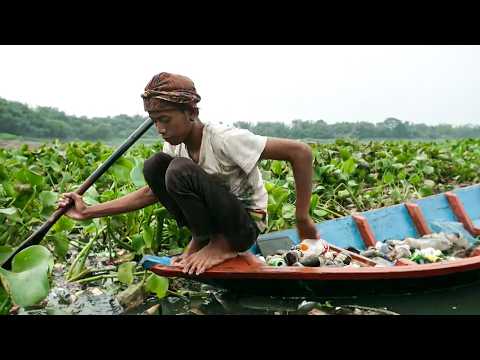
The Shitarum River in Indonesia, once a vital resource for millions, is now heavily polluted due to the textile industry, affecting local communities' health and environment. This blog post explores the pollution crisis, its impact on residents, and the urgent need for sustainable practices in fast fashion.
The Shitarum River, flowing through the island of Java, Indonesia, has become a symbol of environmental degradation due to the fast fashion industry. Once a vital resource for drinking, fishing, and agriculture for over three million people, the river is now plagued by pollution from textile factories. This blog post delves into the alarming state of the Shitarum River, the health implications for local communities, and the urgent need for sustainable practices in the fashion industry.
Our exploration starts at the foot of the Wayang volcano, where the Shitarum River originates. Titi Bakhtiar, a local geographer, describes the river as more than just a water source; it is a lifeline for the surrounding communities. However, as the river flows through urban areas, it transforms from a clear stream into a polluted waterway filled with trash and toxic waste.
The visible pollution in the Shitarum is shocking, with plastic waste dominating the landscape. However, the more insidious threat comes from chemical pollution. Local fisherman Rudy, who spends hours collecting debris from the river, notes that fish are scarce, and the water is often discolored, indicating severe contamination.
Noor, a resident who relies on the river for daily activities, describes the water's varying colors and her family's health struggles. She and her son Yuda frequently suffer from illnesses, which they attribute to the polluted water. Despite their suffering, there is a lack of definitive studies linking the river's pollution to health issues, leaving many questions unanswered.
Deni Riswandani, an environmental activist, highlights the presence of approximately 500 textile factories along the Shitarum, many of which discharge toxic waste directly into the river. These factories produce vast amounts of wastewater, often exceeding international safety standards for pollutants.
One of the largest exporters in Indonesia, GISTEX, operates multiple factories that produce polyester fabric. Despite claiming to treat their wastewater, their practices raise concerns. The wastewater treatment system is inadequate, only testing for a limited number of parameters, leaving many harmful substances unchecked.
To understand the extent of the pollution, samples of water and rice from the region were analyzed. The results revealed alarming levels of heavy metals, including lead and chromium, far exceeding safe limits. This contamination poses serious health risks, particularly for children, who are more vulnerable to neurotoxic effects.
In an effort to assess the exposure of local children to pollutants, hair samples were collected and sent to a laboratory in Luxembourg. The findings indicated the presence of 54 different pollutants, including harmful industrial chemicals not typically found in children from developed countries.
As the investigation unfolded, it became clear that major clothing brands, including H&M and Uniqlo, are linked to the polluting factories. Despite their commitments to sustainability, the reality on the ground tells a different story. Activists argue that these brands must take responsibility for the environmental impact of their supply chains.
While there are calls for stricter regulations and better enforcement of environmental standards, the Indonesian government has been slow to act. The Ministry of Environment acknowledged the pollution crisis but has yet to implement significant changes to protect local communities.
Amidst the despair, there are examples of factories striving for sustainability. One factory has invested heavily in eco-friendly practices, demonstrating that it is possible to produce textiles responsibly. However, the higher costs associated with sustainable production pose a challenge in a price-sensitive market.
The plight of the Shitarum River serves as a stark reminder of the hidden costs of fast fashion. As the demand for cheap clothing continues to rise, the health and well-being of local communities hang in the balance. It is imperative for consumers, brands, and governments to prioritize sustainable practices and protect the environment for future generations. The time for change is now, before the Shitarum becomes a permanent symbol of neglect and pollution.



















