
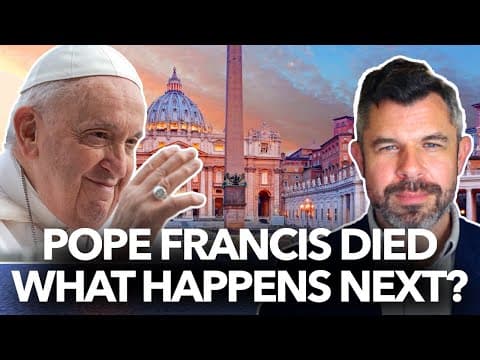
The death of Pope Francis marks a significant moment in the Catholic Church, leading to a period of mourning and the upcoming conclave to elect a new pope. This blog post explores the implications of his death, the election process, and the potential candidates for the papacy, while reflecting on the current state of the Church and the hope for a revival among the faithful.
The recent passing of Pope Francis has sent shockwaves through the Catholic community and beyond. As the world mourns the loss of a significant religious leader, many are left wondering what the future holds for the Catholic Church. This blog post will explore the implications of his death, the process of electing a new pope, and the potential candidates who may step into this pivotal role.
Following the death of Pope Francis, the Church enters a period of mourning known as a novena, which lasts for nine days. This time is traditionally marked by prayer and reflection, allowing the faithful to honor the legacy of the deceased pope. Canon law dictates that the conclave to elect a new pope must begin within 15 to 20 days after the pope's death, ensuring a timely transition in leadership.
The conclave is a gathering of the College of Cardinals, who are responsible for electing the new pope. Currently, there are 137 cardinals eligible to vote, exceeding the canonical limit of 120. This increase is due to Pope Francis appointing additional cardinals during his papacy. To elect a new pope, a candidate must receive a two-thirds majority plus one vote, which translates to at least 91 votes from the current cardinals.
During the interregnum, Cardinal Frell, the papal chamberlain, will oversee the Vatican's operations. While he is not the head of the Church, he plays a crucial role in managing the transition until a new pope is elected.
As the conclave approaches, speculation about potential candidates intensifies. With 83 of the 137 voting cardinals appointed by Pope Francis, the next pope may reflect similar ideologies. However, there are several prominent figures who could emerge as candidates:
Pope Francis's tenure has been marked by both praise and controversy. His approach to various issues, including the environment and social justice, has sparked debate among the faithful. Many have expressed concerns about his statements regarding family life and traditional values, leading to a reevaluation of what it means to be a Catholic in today's world.
Despite the challenges, there is a growing sense of hope among the faithful. The COVID-19 pandemic forced many to reevaluate their faith, leading to a resurgence in interest in traditional practices, such as the Latin Mass. This revival could play a significant role in shaping the future of the Church.
As the Church prepares for the conclave, it is essential for the faithful to engage in prayer. Many are encouraged to pray the rosary daily for the next pope, seeking guidance and wisdom for the cardinals as they make this critical decision. The collective prayers of the faithful can help pave the way for a new era in the Church, one that embraces tradition while addressing contemporary challenges.
The death of Pope Francis marks a pivotal moment in the history of the Catholic Church. As the faithful mourn his passing and prepare for the election of a new pope, there is a palpable sense of anticipation for what lies ahead. With the potential for a revival of traditional Catholic values and a renewed commitment to the teachings of Christ, the Church stands at the threshold of a new chapter. Let us pray for the guidance of the Holy Spirit as we await the election of the next pope, hoping for a leader who will inspire and unite the faithful in their journey of faith.



















