
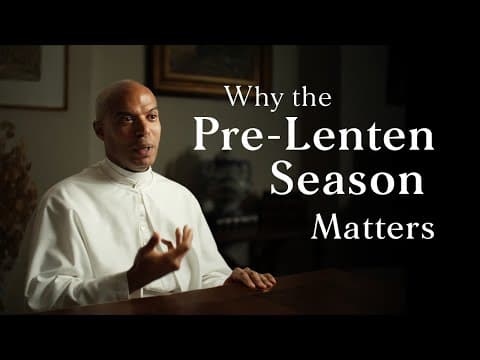
This blog post explores the significance of the pre-Lent season, known as Preent, as a time for spiritual preparation leading up to Lent. It discusses the importance of fasting, community, and turning towards God, emphasizing the need for gradual transition into the penitential season.
As we approach the season of Lent, it is essential to recognize the often-neglected period of preparation known as Preent. This time serves as a crucial lead-up to Lent, allowing us to ease into a spiritually rigorous yet fruitful experience. The church provides several weeks before Ash Wednesday to prepare our hearts and minds for the journey ahead.
Pre-Lent is a significant season that begins after the Feast of the Epiphany on January 6 and extends until Ash Wednesday. During this time, the church encourages us to stop singing "Allelujah" as a way to prepare for the solemnity of Lent. This preparation is not merely about abstaining from certain practices but about turning our focus towards God and away from worldly distractions that promise happiness but ultimately do not fulfill us.
The transition into Lent should not be abrupt. The church's wisdom teaches us that we cannot simply jump from the excesses of Fat Tuesday into the penitential season of Ash Wednesday without preparation. The Sundays leading up to Lent, known as Septuagesima, Sexagesima, and Quinquagesima, serve as reminders of the upcoming season of fasting and reflection. Each of these Sundays marks a gradual increase in our commitment to prepare spiritually for Lent.
Fasting is a central theme of Lent, and its significance is deeply rooted in scripture. The prophet Joel emphasizes turning towards God with fasting, which is about more than just abstaining from food; it is about making room for God in our lives. Fasting helps us detach from earthly pleasures and refocus our attention on spiritual nourishment.
Fasting is not merely a physical act of deprivation; it is a spiritual discipline that allows us to grow closer to God. By giving up certain comforts, we create space for deeper prayer and reflection. This practice is meant to lead us to a greater understanding of our dependence on God and to foster a spirit of generosity towards others.
In many cultures, the pre-Lent season is celebrated with Carnival, a time of feasting and revelry. While these celebrations can be joyous, they often carry a worldly spirit that contrasts with the spiritual preparation of Lent. In places like New Orleans, Rio de Janeiro, and Venice, Carnival festivities highlight the tension between earthly pleasures and the call to spiritual renewal.
The church's liturgical practices remind us that while we may enjoy the festivities, we must also prepare our hearts for the solemnity of Lent. The color purple, worn by priests during this time, symbolizes both penitence and royalty, reminding us of the kingly nature of Christ and our call to serve Him through our actions.
Lent is not meant to be a solitary journey. The Norbertine community emphasizes the importance of communio, or living together in unity, as we prepare for Lent. Engaging in this season with others provides strength and support, allowing us to persevere through the challenges of fasting and prayer.
The three pillars of Lent—prayer, fasting, and almsgiving—are interconnected. While we can pray individually, the communal aspect of prayer enhances our spiritual experience. Almsgiving, too, requires community; we cannot give to others without recognizing their needs. This interconnectedness is vital for our growth as Christians.
As we prepare for the Great Fast, let us embrace the opportunity to grow in virtue and deepen our relationship with God. Fasting is not just about what we give up; it is about what we gain in our spiritual journey. By participating in this ancient practice, we open ourselves to the transformative power of God's grace, allowing us to become vessels of His love and service to others.
Join us in this journey of preparation and reflection as we approach the season of Lent, ready to embrace the challenges and joys that lie ahead.



















