
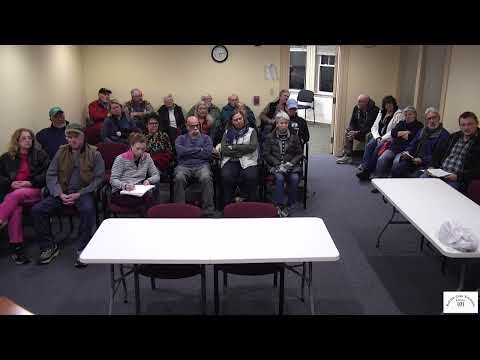
The Conservation Commission discussed a proposed Wetlands bylaw aimed at enhancing the protection of natural resources in the town. Key features include a 25-foot no-disturb zone from wetlands, expanded jurisdiction over additional resource areas, and provisions for variances. The bylaw aims to ensure sustainable development while preserving wildlife habitats and water quality.
On March 4, 2025, the Conservation Commission convened to discuss significant updates regarding the proposed Wetlands bylaw, which aims to enhance the protection of the town's natural resources. This meeting was crucial for residents and stakeholders interested in the environmental regulations that govern local wetlands and wildlife habitats.
The meeting commenced with the approval of the minutes from the previous meeting held on February 18, 2025. The motion was passed unanimously by roll call.
The primary purpose of the proposed Wetlands bylaw is to supplement the existing state Wetlands Protection Act (WPA) with additional regulations and protections. The Commission emphasized that the bylaw is designed to safeguard natural resources for future generations, particularly in light of ongoing development pressures.
Buffer Zones: The existing jurisdiction under the WPA extends 100 feet from the majority of wetlands. The proposed bylaw maintains this buffer zone but introduces a new 25-foot no-disturb zone from the edge of wetlands, which will be treated as a protected resource area. This means that no disturbances, such as construction or landscaping, will be allowed in this zone without a variance.
Non-Retroactive Application: The bylaw will not be retroactive. Properties with existing lawns or structures up to the wetland edge will not be required to pull back unless they propose new developments that may impact the wetlands.
Expanded Jurisdiction: The bylaw extends the 100-foot buffer zone to other resource areas not currently protected under the WPA, including vernal pools and isolated wetlands. This expansion allows the Commission to review applications affecting these areas and impose necessary conditions to protect them.
Protection of Vernal Pools: Vernal pools are seasonal wetlands that provide critical habitats for various species. The bylaw aims to enhance protections for these ecosystems, which are vital for biodiversity.
Variance Allowance: The bylaw includes provisions for variances on a case-by-case basis, allowing for flexibility in certain situations where strict adherence to the no-disturb zone may not be feasible.
During the meeting, several community members raised questions and concerns regarding the implications of the proposed bylaw:
Existing Docks and Recreational Activities: Residents inquired about how the bylaw would affect existing docks and recreational activities on local ponds. The Commission clarified that existing structures would not be impacted, and recreational activities like swimming would not be restricted.
Septic Systems and Property Development: Questions arose about how the bylaw would affect new installations or repairs for septic systems. The Commission assured that compliance with existing health regulations would remain a priority, and any necessary permits would still be required.
Enforcement and Compliance: The Commission discussed its role as the enforcing agency for the bylaw, emphasizing that it would allow for better oversight of development projects and ensure compliance with environmental standards.
The proposed bylaw is seen as a proactive measure to protect the town's natural resources, including drinking water supplies and wildlife habitats. By establishing clear regulations, the Commission aims to enhance the community's ability to manage and protect its wetlands effectively. The bylaw also allows for the collection of local application fees, which can be reinvested into conservation efforts.
The proposed bylaw will be reviewed by the town's bylaw committee, with further discussions anticipated before it is presented at the upcoming town meeting. The Commission encourages community members to stay engaged and provide feedback as the process moves forward.
In conclusion, the Conservation Commission's proposed Wetlands bylaw represents a significant step towards enhancing environmental protections in the town. By establishing clear guidelines and expanding jurisdiction, the Commission aims to ensure sustainable development while preserving the natural beauty and ecological integrity of the area for future generations.



















