
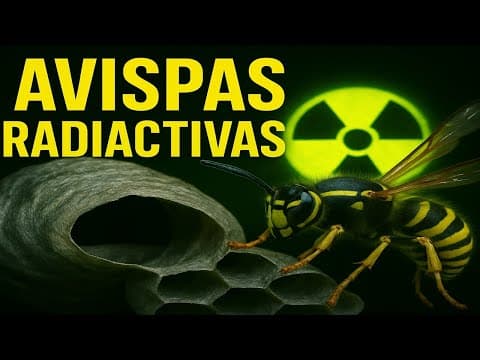
A radioactive wasp nest was found at the Savannah River Site, a former nuclear weapons production facility. The discovery has sparked discussions about legacy contamination and transparency from authorities. While officials claim there was no recent leak, environmental groups criticize the lack of clarity regarding the contamination's origins. This incident highlights ongoing issues related to historical nuclear contamination and the need for better communication about environmental safety.
On July 3, 2025, a startling discovery was made at the Savannah River Site in South Carolina, a facility with a history of nuclear weapons production. Workers found a nest of wasps that exhibited radiation levels ten times above the federal limit. This incident has ignited discussions about environmental safety, legacy contamination, and the transparency of governmental agencies.
The Savannah River Site has been operational since the 1950s, primarily for the production of plutonium and tritium for nuclear weapons. The site was officially declared a Superfund site in the 1980s due to its significant contamination issues, and it ceased weapon production in 1992. Despite ongoing cleanup efforts, the site continues to manage nuclear waste and conduct decontamination activities.
The wasp nest was discovered near liquid nuclear waste tanks in a restricted area of the site. Although the authorities assert that there was no leak from the tanks, the presence of the nest raises questions about how contamination could occur in a sealed environment. The nest was treated with insecticide and classified as radiological waste, with no live wasps found at the site.
Environmental watchdog groups, including Greenpeace, have criticized the Department of Energy (DOE) for its lack of transparency regarding the incident. Critics argue that the DOE has not adequately explained how the wasps became contaminated or the nature of the nest itself. Tom Clemens, an environmental activist, expressed frustration over the vague explanations provided by officials, emphasizing the need for clarity to prevent public speculation.
The DOE has referred to the contamination as "legacy contamination," indicating that it is a remnant of past activities rather than a result of recent leaks. However, this explanation has not quelled public concern, as many are left wondering about the implications of such contamination on local wildlife and communities.
The discovery of the radioactive wasp nest serves as a reminder of the long-lasting effects of nuclear production. Sites like Savannah River, Hanford in Washington, and Oak Ridge in Tennessee have all faced significant contamination challenges. The persistence of radioactive materials in the environment poses risks not only to wildlife but also to nearby human populations, particularly if groundwater becomes contaminated.
The incident underscores a critical lesson: radioactivity does not simply disappear over time. It can manifest in unexpected ways, affecting ecosystems and human health long after the initial contamination event. The historical context of nuclear production highlights the importance of ongoing vigilance and transparency in environmental management.
The discovery of a radioactive wasp nest at the Savannah River Site raises important questions about environmental safety and the legacy of nuclear contamination. While officials maintain that there is no immediate danger, the lack of clear communication regarding the origins of the contamination has led to public skepticism. This incident serves as a reminder of the complexities surrounding nuclear waste management and the need for continued efforts to address historical contamination issues. As we move forward, it is crucial to learn from the past and ensure that transparency and safety remain at the forefront of environmental policies.



















