
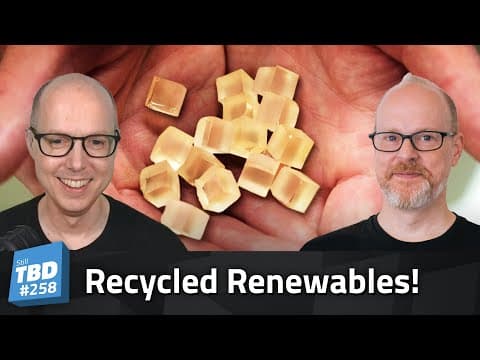
This blog post explores the importance of recycling in renewable energy, discussing the challenges and innovations in the field, as well as the ongoing conversation about the future of sustainable energy technologies.
In today's episode of Still To Be Determined, we delve into the critical topic of recycling in renewable energy. This discussion highlights how recycling is a significant step forward in making sustainable energy our primary source and what the future holds for this evolving field.
Welcome to Still To Be Determined, where we follow up on the podcast Undecided with Matt Ferrell. I am Sean Ferrell, your host, and while I am not Matt Ferrell, I share a curiosity about technology and its impact on our lives. Today, we will explore the recycling of renewable energy technologies and the implications for sustainability.
Before we dive into our main topic, Matt and I share a light-hearted moment about the recent shift to Daylight Saving Time, which has left us feeling a bit disoriented. This serves as a reminder of how changes, even minor ones, can affect our daily lives and perceptions.
We begin by reflecting on the comments from our last episode, where we discussed breakthroughs in battery technology. Many listeners expressed their thoughts on the research and development lifecycle, emphasizing the long journey from research to market-ready products. One insightful comment from Jack Coats highlighted the extensive time and investment required to bring new technologies to fruition.
Additionally, we received suggestions for future topics, including a new electric motor technology from Germany that eliminates the need for rare earth metals. This innovation could revolutionize electric motors, making them more efficient and sustainable.
As we transition to renewable energy sources, we must address the inevitable waste generated by these technologies. Matt's recent video, titled How We Solved Renewable's Biggest Problems, emphasizes that while sustainable energy is beneficial, it also produces waste that must be managed. The challenge lies in finding ways to recycle or repurpose old solar panels and wind turbine blades.
One listener, Peter, shared his experience using older solar panels for non-essential applications, such as roofing over compost heaps and powering Wi-Fi routers. This innovative approach demonstrates that even less efficient panels can still provide value. Similarly, Matt has set up a microgrid using older panels to power his electric mower, showcasing the potential for second-life applications of renewable technologies.
The discussion also touched on the secondhand market for solar panels, particularly those removed from solar farms. These panels, often still functional, can be purchased at a fraction of the cost and repurposed for residential use. This market not only provides affordable energy solutions but also reduces waste in the renewable energy sector.
A significant part of our conversation revolved around advancements in manufacturing processes that make renewable technologies easier to recycle. For instance, new methods using lasers to seal solar panels can reduce the toxicity of materials used, making them safer to recycle at the end of their life cycle. This innovation sparked a lively discussion among our listeners about the future of manufacturing and recycling in the renewable energy sector.
Wind energy also faces recycling challenges, particularly with turbine blades. A retired listener, Victor, proposed a mobile machine that could grind up blades on-site, reducing transportation costs and environmental impact. This idea highlights the need for innovative solutions as the renewable energy industry continues to grow.
As we navigate the complexities of renewable energy, it is essential to recognize the ongoing debates surrounding its implementation. Some listeners expressed concerns about the entrenched beliefs against renewable technologies, often fueled by misinformation. Matt emphasized the importance of focusing on the practical benefits of renewable energy, such as energy independence and cost savings, rather than getting bogged down in political arguments.
Looking ahead, we acknowledge that the renewable energy sector is still in its infancy. As technology evolves, new opportunities will arise for businesses and individuals to innovate and address the challenges we face. The conversation around renewable energy is not just about the technologies themselves but also about the societal shifts needed to embrace these changes.
In conclusion, the recycling of renewable energy technologies is a crucial aspect of making sustainable energy a viable option for the future. As we continue to explore innovations and address challenges, it is vital to keep an open mind and stay curious about the possibilities that lie ahead. We invite our listeners to share their thoughts and ideas as we navigate this exciting journey together.



















