
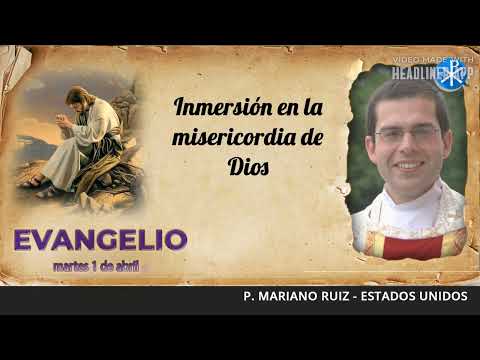
This blog post explores the healing of a paralytic man at the Pool of Bethesda as narrated in the Gospel of John. It emphasizes the themes of perseverance in suffering, the importance of spiritual healing, and the transformative power of faith during Lent.
On April 1, 2025, Father Mariano Ruiz shared a profound reflection on the Gospel of John, focusing on the healing of a paralytic man at the Pool of Bethesda. This event, which took place during a Jewish festival in Jerusalem, serves as a powerful reminder of the themes of mercy, perseverance, and spiritual renewal, especially during the Lenten season.
The Gospel recounts how Jesus encountered a man who had been paralyzed for 38 years, lying by the Pool of Bethesda. This pool was believed to have healing properties, where the first person to enter the water after it was stirred would be healed. Despite his long wait, the paralytic had no one to help him into the pool, leading to a sense of despair and hopelessness.
In a moment of compassion, Jesus approached the man and asked, "Do you want to be healed?" This question may seem obvious, given the man's long suffering, yet it highlights a deeper inquiry into the man's willingness to accept healing. His response, filled with resignation, was, "Sir, I have no one to put me into the pool when the water is stirred; while I am making my way, someone else steps down ahead of me."
Jesus then commanded him, "Stand up, take your mat and walk." Immediately, the man was healed, demonstrating that Jesus' power transcends physical ailments. This healing was not just about restoring the man's physical ability but also about renewing his spirit. Jesus later found him in the temple and warned him to sin no more, indicating that true healing involves both body and soul.
Father Ruiz reflects on the significance of the paralytic's suffering. The venerable Fulton Sheen noted that sometimes, God can only enter our hearts through brokenness. The man's prolonged suffering led him to a personal encounter with Jesus, illustrating that our struggles can lead to deeper spiritual connections.
The paralytic's 38 years of waiting teaches us about perseverance. Saint John Chrysostom admired the man's ability to endure such a long period of hope against despair. This story challenges us to reflect on our own willingness to persevere in prayer, especially when we feel our requests are unanswered.
How often do we give up too soon when faced with spiritual, emotional, or physical challenges? The paralytic's experience reminds us that perseverance in prayer is essential. God may not promise immediate answers, but He assures us that our prayers are heard and will be answered in His perfect timing.
The healing at Bethesda is a call to recognize that Jesus offers more than just physical restoration. He invites us to a new life, one that encompasses spiritual renewal. Saint Ephrem the Syrian noted that when Jesus instructed the man to carry his mat, it symbolized a complete healing. The mat, once a burden, became a testimony of God's power to heal and restore.
The imagery from the prophet Ezekiel, describing water flowing from the temple, parallels the grace that Jesus offers. Just as the waters transformed the Dead Sea, Christ's grace can transform our hearts and souls. Through baptism, we are called to live in this living water, allowing it to flow through us and bring healing to ourselves and those around us.
As we journey through Lent, let us reflect on the lessons from the healing at Bethesda. We are encouraged to persevere in prayer, trust in God's mercy, and embrace the healing we have received in Christ. May we allow the living water of God's grace to flow through us, transforming our lives and the lives of those we encounter. Through the intercession of our Blessed Mother, let us seek the grace to grow in faith, perseverance in prayer, and the ability to live out the healing we have received.



















