
Abby Barrows, owner of Deer Isle Oyster Company, is transforming oyster farming by eliminating plastic use. As a microplastics researcher, she emphasizes the environmental impact of plastic pollution and advocates for sustainable aquaculture practices that benefit marine ecosystems while producing healthy seafood.
Oyster farming is often seen as a sustainable practice that benefits local ecosystems. However, as Abby Barrows, owner of Deer Isle Oyster Company, points out, the industry heavily relies on plastic, which poses significant environmental challenges. In this blog post, we explore Abby's journey as an oyster farmer and microplastics researcher, her innovative approaches to sustainable aquaculture, and the broader implications of plastic pollution in our oceans.
Abby Barrows highlights a critical contradiction in oyster farming: while oysters help improve water quality, the plastic used in their cultivation harms marine environments. Every component of oyster farming, from gear to packaging, often involves plastic, which contributes to the growing issue of microplastic pollution.
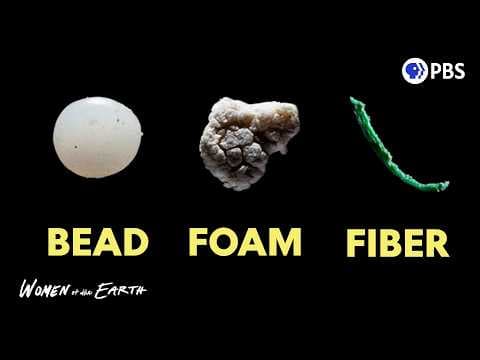
Microplastics are tiny plastic particles that have become a global pollutant. They are found in every ocean and on every continent, affecting marine life and ecosystems. Abby emphasizes that every piece of plastic ever created still exists in some form, making it a persistent environmental issue. The production of plastic also contributes to climate change, as it emits greenhouse gases at every stage, from extraction to disposal.
As both an oyster farmer and a scientist, Abby's mission is to produce sustainable seafood that actively benefits the environment. She is committed to developing plastic-free gear for oyster farming, aiming to reduce the industry's reliance on harmful materials.
Oysters play a vital role in marine ecosystems. An adult oyster can filter up to 50 gallons of water daily, improving water quality and clarity. They also contribute to the formation of reefs, which provide habitats for various marine species and help protect shorelines from erosion. Furthermore, oyster shells combat ocean acidification, which is detrimental to shellfish growth.
Abby began her journey in oyster farming in 2015, motivated by her research on microplastic pollution. Upon acquiring her farm, she was disheartened to find that it came with plastic gear. Recognizing the need for change, she set out to find alternatives that would not only be environmentally friendly but also financially accessible for other farmers.
Abby is working on prototypes for plastic-free oyster farming gear. This includes using materials like welded aluminum rods and natural rubber bungees, which are durable, repairable, and non-toxic. The goal is to create a system that can be adopted by farms of all sizes, allowing for a gradual transition away from plastic.
Transitioning to sustainable practices is not without its challenges. Abby acknowledges that many farmers rely on plastic because it is cheap and durable. Therefore, her approach focuses on providing viable alternatives that are affordable and effective.
Abby’s work is deeply rooted in her community on Deer Isle, Maine. She emphasizes the importance of local connections and the pride that comes from producing food that reflects the region's identity. Balancing her role as a farmer and a mother, Abby finds joy in involving her family in the farm's operations, despite the challenges of parenting and running a business simultaneously.
Abby’s insights extend beyond oyster farming. She highlights that plastic pollution is a global issue that affects everyone, not just those in coastal areas. Microplastics have been found in various environments, including air, soil, and even human bodies. This widespread contamination underscores the urgency of addressing plastic pollution in all sectors.
Abby believes in empowering people to take action against plastic pollution without inducing guilt. She advocates for open conversations about the issue, focusing on solutions rather than blame. Her journey reflects a commitment to creating a sustainable future for aquaculture and the environment.
Abby Barrows is at the forefront of a movement to reinvent aquaculture by eliminating plastic from oyster farming. Her dedication to sustainable practices not only benefits the local ecosystem but also sets an example for the broader food industry. As we face the challenges of plastic pollution, Abby's work serves as a reminder that change is possible through innovation, community involvement, and a commitment to environmental stewardship.



















