
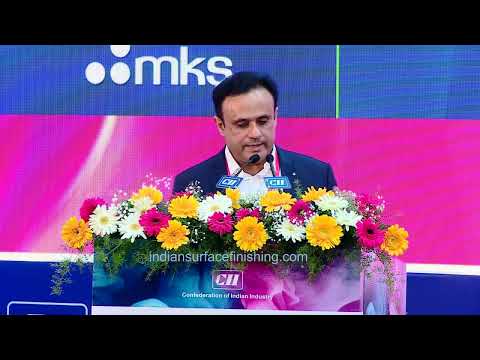
This blog post discusses the importance of resource optimization in surface coating, focusing on advanced metal pre-treatment processes that enhance sustainability. It highlights the benefits of resource efficiency, the role of aluminum in reducing carbon footprints, and presents case studies demonstrating successful implementations of innovative pre-treatment solutions.
Good morning everyone, I am Shahab Shakil, representing MQs Atote. With over 20 years of experience in the surface treatment industry, I will discuss the critical topic of resource optimization and its essential role in today's industrial landscape.
A resource is defined as anything required or consumed in the production of goods or the delivery of services.
Efficiency refers to how well resources are allocated to produce goods or services, focusing on minimizing consumption while maximizing output.
As we face the reality that raw material sources are finite, it becomes crucial to use resources responsibly to ensure availability for future generations. Economically, efficient resource utilization is vital for a sustainable industry and economy.
Implementing resource efficiency in operations can lead to numerous advantages:
The urgency of addressing environmental issues is evident:
Sustainability is becoming a mainstream concern in business, particularly in the electroplating and pre-treatment industries. Regulatory scrutiny is increasing, with pollution control boards focusing on chemical processes that negatively impact the environment. Original Equipment Manufacturers (OEMs) are setting ambitious targets to achieve net-zero emissions, making waste management a critical focus area.
Aluminum is a lightweight, strong metal with significant applications in various industries, particularly in automotive manufacturing. Its properties make it ideal for electric vehicles (EVs), which are projected to dominate production by 2030. The use of aluminum can significantly reduce carbon footprints due to its recyclability and efficiency in energy consumption.
Aluminum is increasingly used in:
Traditional pre-treatment processes involve cleaning, descaling, and conversion coating, often leading to environmental pollution due to harmful chemicals like phosphates and hexavalent chromium. These processes can generate significant waste and require extensive maintenance.
To address these challenges, advanced metal pre-treatment solutions have been developed:
In summary, resource optimization through advanced metal pre-treatment processes is essential for achieving sustainability in the surface coating industry. By focusing on low-temperature operations, reducing waste, and minimizing harmful substances, companies can enhance their performance while contributing positively to the environment. The future of industrial processes lies in adopting these innovative solutions to ensure a sustainable and efficient use of resources.



















