
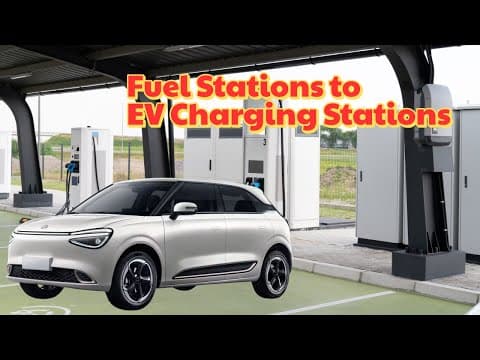
Ghana plans to transition fuel stations into electric vehicle charging stations to accommodate the growing number of EVs in the country. This initiative aims to reduce reliance on fossil fuels, but it raises concerns about the power grid and the need for strategic placement of charging stations.
As Ghana embarks on a journey towards a more sustainable future, the government has proposed a transformative vision: converting traditional fuel stations into electric vehicle (EV) charging stations. This initiative is not just a response to the growing number of electric vehicles in the country but also a strategic move to reduce reliance on fossil fuels.
Currently, Ghana boasts over 2,000 electric vehicles, which include hybrids, fully electric cars, and even electric motorbikes. This growing fleet underscores the need for adequate charging infrastructure. The government’s initiative to transition fuel stations into EV charging stations is a proactive step towards accommodating this influx of electric vehicles.
The vision for the future is clear: in the next decade or two, electric vehicles are expected to become commonplace in Ghana. The prospect of riding in an electric Troski (a popular form of public transport) is exciting, especially considering the age and condition of many current vehicles. Many public buses are over 30 years old, raising questions about their safety and efficiency.
While the idea of transforming fuel stations into EV charging stations is promising, it comes with its own set of challenges. One of the primary concerns is safety, as electricity and fuel do not mix well. However, with proper safety measures and technology, these concerns can be mitigated.
A more pressing issue is the state of Ghana's power grid. The country already faces challenges related to power generation and distribution. As more electric vehicles are introduced, the demand on the power grid will increase significantly. Therefore, it is crucial for the government to explore new sources of power to support this growth.
The traditional model of charging stations needs to be reevaluated. Unlike petrol cars that can be refueled in a matter of minutes, electric vehicles typically require longer charging times—ranging from 20 minutes to an hour for a decent charge. This necessitates a shift in how and where charging stations are placed.
Charging stations should ideally be located in areas where people spend extended periods of time. Potential locations include:
For instance, imagine being able to charge your EV while attending a three-hour church service. This approach not only maximizes convenience but also integrates charging into daily routines without disrupting them.
While public charging stations will play a vital role, most EV owners prefer to charge their vehicles at home. This trend suggests that home charging will become the primary method for many, with public stations serving as a supplementary option, particularly for fast charging needs.
The government's initiative to adopt electric vehicles in Ghana is a significant step towards a sustainable future. However, it requires careful planning and execution, particularly regarding the power grid and the strategic placement of charging stations. As Ghana moves forward with this vision, it will be interesting to see how these challenges are addressed and how the landscape of transportation evolves in the coming years.
What are your thoughts on this initiative? Share your opinions in the comments below.



















