
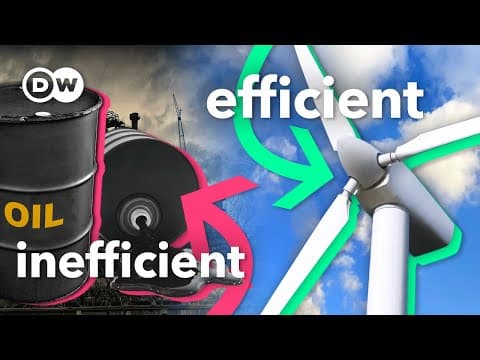
This article explores the inefficiencies in our current energy systems, revealing that we only need to replace a third of fossil fuels with renewables. By understanding energy flow and improving efficiency, transitioning to cleaner energy sources becomes more feasible than previously thought.
Energy is a topic that affects everyone, yet the way we discuss it often leads to misconceptions. A recent analysis of energy flow in the United States for 2022 reveals a fundamental misunderstanding in how we approach the transition from fossil fuels to renewable energy sources. This article will break down the complexities of energy flow and highlight why we only need to replace a third of our fossil fuel consumption to make a significant impact.
At the heart of this discussion is a type of graph known as a Sankey flowchart, which visually represents how energy flows into and through modern society. The chart categorizes energy into four stages:
Despite decades of advocacy for renewable energy, fossil fuels still account for 80% of the world's energy supply. Critics of renewable energy often cite this statistic to argue that transitioning away from fossil fuels is impossible. They claim that solar and wind energy can only serve as supplementary sources, not as primary energy providers.
However, this perspective overlooks a crucial aspect of energy production: inefficiency. The Sankey flowcharts reveal that a staggering two-thirds of the energy produced is wasted, categorized as "rejected energy." This inefficiency is a significant factor that many skeptics fail to acknowledge.
Kimberley Mayfield, a research scientist at Lawrence Livermore National Laboratory, emphasizes that most people are unaware of how inefficient our current energy systems are. The inefficiencies occur at every stage of energy conversion and usage:
When considering all the ways energy is lost—from heating homes to powering vehicles—approximately two-thirds of the energy consumed serves no useful purpose.
Despite the grim statistics regarding fossil fuel reliance, there is a silver lining. Renewable energy sources like solar panels and wind turbines do not rely on combustion to generate electricity. Instead, they convert energy directly into electricity, bypassing many of the inefficiencies associated with fossil fuels.
For example, switching from a gas stovetop to an induction stovetop can reduce primary energy use by about a third. Similarly, electric vehicles (EVs) can utilize around 90% of the energy they consume, compared to traditional vehicles.
Nick Eyre, an energy and climate policy researcher at Oxford, highlights the potential for energy savings in a fully electrified society. His research indicates that we could reduce our final energy consumption by about 40% if we transition to renewables and improve energy efficiency simultaneously. This synergy between efficiency and renewables suggests that we can achieve a more sustainable energy future without needing to replace all fossil fuel usage.
The transition away from fossil fuels may seem daunting, but by focusing on energy efficiency and the potential of renewable sources, the path forward becomes clearer. Instead of fixating on the amount of fossil fuel energy we need to replace, we should consider how to maximize the energy we can effectively use.
In conclusion, while the current reliance on fossil fuels is significant, the inefficiencies in our energy systems present an opportunity for improvement. By embracing renewable energy and enhancing efficiency, we can make substantial progress toward a sustainable energy future. The next time you hear skepticism about the feasibility of transitioning to renewables, remember the insights from the energy flow charts and the potential for a more efficient energy landscape.



















