
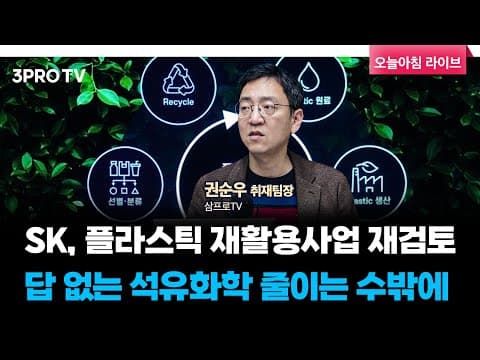
This blog post discusses the recent developments in SK's plastic recycling business, highlighting the challenges faced due to regulatory uncertainties and the strategic shifts in the automotive industry, particularly focusing on Hyundai's investments in the U.S. market.
In recent discussions surrounding the future of plastic recycling, significant attention has been directed towards SK's ambitious plans for a comprehensive plastic recycling facility. This post delves into the current state of SK's recycling initiatives, the implications of regulatory changes, and the broader context of the automotive industry's evolution, particularly Hyundai's strategic investments in the U.S.
SK Group's subsidiary, Geocentric, aimed to establish the world's largest integrated plastic recycling facility, investing approximately 1.8 trillion won. This facility was designed to utilize advanced chemical recycling methods, allowing for the recycling of not only PET plastics but also complex materials. However, recent reports indicate that this project has been indefinitely postponed.
The postponement stems from several factors:
This decision reflects a broader trend among chemical companies in South Korea, which are currently facing significant challenges. The postponement of SK's project highlights the difficulty of navigating the evolving landscape of plastic regulations and the need for companies to prioritize immediate survival over long-term investments.
In parallel to SK's challenges, the automotive industry is undergoing significant transformations, particularly with Hyundai's recent announcements regarding its investments in the U.S. market. Hyundai plans to invest $21 billion in various sectors, including electric vehicle (EV) production and supply chain enhancements.
Hyundai's strategy includes:
These investments are crucial as the U.S. market remains a key battleground for automotive manufacturers, especially in the face of increasing competition from global players.
The challenges faced by SK in the recycling sector and Hyundai's strategic pivots in the automotive industry underscore the complexities of operating in today's market. Companies must navigate regulatory uncertainties while also adapting to rapidly changing consumer preferences and technological advancements.
While SK's decision to delay its recycling project is disappointing, it reflects a cautious approach in an uncertain regulatory environment. Conversely, Hyundai's proactive investments signal a commitment to innovation and competitiveness in the automotive sector. The interplay between these industries highlights the need for strategic foresight and adaptability in the face of evolving market dynamics.
As SK reevaluates its plastic recycling ambitions and Hyundai forges ahead with significant investments in the U.S., the future of both companies will depend on their ability to navigate regulatory landscapes and market demands. The developments in these sectors will be critical to watch as they unfold, shaping the future of sustainability and innovation in South Korea and beyond.



















