
As old wind turbines reach the end of their operational life, companies are finding innovative ways to refurbish and resell them. This process not only reduces waste but also offers a cost-effective energy solution. Refurbished turbines can be up to 50% cheaper than new ones, making them an attractive option for businesses. However, challenges in dismantling, refurbishing, and maintaining these turbines remain. This article explores the lifecycle of wind turbines and the growing market for their
Wind energy has seen significant growth since the late 2000s, leading to a pressing issue: what to do with old wind turbines that need to be replaced. With tens of thousands of these turbines reaching the end of their operational life each year, the potential for waste is enormous. However, a growing market for refurbished wind turbines is emerging, offering a sustainable solution to this problem.
Second-hand shopping is not limited to clothes or furniture; it extends to wind turbines as well. Websites exist where anyone can purchase used wind turbines, making it possible for companies to invest in renewable energy without the hefty price tag of new installations. Refurbished wind turbines can be about 50% cheaper than new ones, making them an attractive option for businesses looking to harness wind energy.
In northern Germany, where wind energy is abundant, companies like Business in Wind are leading the charge in refurbishing old turbines. The dismantling process is complex and requires careful planning. Tim Logtenberg, who oversees the dismantling operations, explains that they must monitor wind forecasts to determine the best time for disassembly. Wind speeds exceeding 35 km/h can halt operations, making timing crucial.
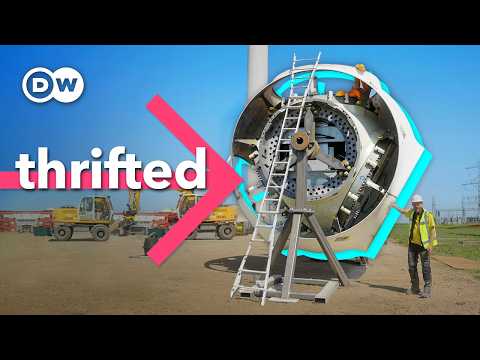
Before dismantling, technicians must ensure that all components are ready for disassembly. This involves checking bolts and preparing the turbine for the lift. The nacelle, which houses vital components like the gearbox and generator, is a focal point during this process. Technicians must disconnect and store cables properly to facilitate a smooth reassembly later.
Dismantling a wind turbine is not without its challenges. For instance, if bolts are rusted or stuck, it can lead to significant delays. The team must also navigate the logistics of lifting heavy components, such as the rotor blades, which weigh around 12 tons each. The hub, which connects the blades to the turbine, weighs approximately 34 tons and is another critical component that requires careful handling.
Unexpected issues, such as crane malfunctions, can further complicate the dismantling process. These delays can impact the economics of refurbishment projects, as the costs associated with labor and equipment continue to accumulate.
Once dismantled, the turbines are transported to workshops where they undergo thorough inspections and refurbishments. This process can take one to two months, depending on the condition of the turbine and the availability of spare parts. Commonly replaced components include rotating parts, electrical systems, and other wear-prone elements.
Refurbished turbines can provide energy for another 10 to 15 years, making them a viable option for companies looking to invest in renewable energy. For example, Peter Vercruyssen, a real estate developer, opted for a second-hand turbine because it was significantly cheaper than a new one, despite the potential risks of breakdowns.
A report from the Welsh government indicates that refurbished turbine projects can yield a return on investment of nearly 19%, compared to just 8% for new turbines. This economic incentive is driving interest in the refurbishment market, especially as the costs of new wind projects have risen significantly in recent years.
As of 2022, 20% of Europe’s wind turbines had surpassed their average operational lifespan. With the increasing costs of new installations, there is a strong incentive to extend the life of existing turbines. The refurbishment market is expected to grow, particularly in regions like North America, Europe, and parts of Asia, where demand for affordable renewable energy solutions is rising.
However, the refurbishment of wind turbines is not without its challenges. Maintenance costs for refurbished turbines can be higher than for new ones, and warranties on refurbished parts are typically limited to one year. Despite these concerns, many companies find the potential savings and sustainability benefits worth the risks.
The refurbishment of old wind turbines presents a promising solution to the growing problem of turbine waste. By extending the life of these energy-producing giants, companies can reduce emissions and provide affordable energy solutions. As the market for refurbished turbines continues to develop, it will play a crucial role in the transition to sustainable energy.
Did you know that second-hand wind turbines exist? Are you considering investing in one? Let us know your thoughts in the comments!



















