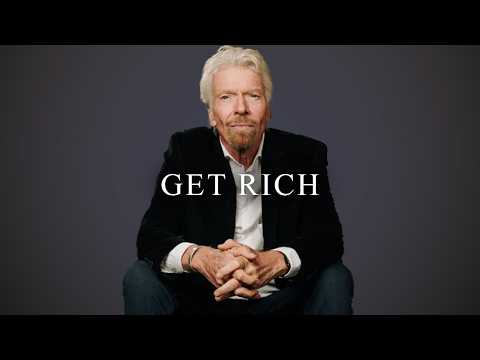
Richard Branson shares five key lessons for aspiring entrepreneurs, emphasizing resilience in the face of failure, the importance of building a trustworthy team, and the value of innovation and risk-taking in business. His journey from a dyslexic high school dropout to a billionaire entrepreneur illustrates that with determination and the right mindset, anyone can achieve their dreams and make a positive impact on the world.
Richard Branson, a renowned entrepreneur and founder of the Virgin Group, has built a multi-billion dollar empire through innovation, risk-taking, and a commitment to making a difference. In a recent discussion, he shared insights into his journey and the lessons he has learned along the way. Here are five key takeaways that can inspire aspiring entrepreneurs to achieve their dreams and change the world.
Branson emphasizes that the line between success and failure is often very thin. Many entrepreneurs face financial challenges, and Branson himself has experienced moments of near failure. For instance, when he launched Virgin Atlantic, he faced a crisis when his bank threatened to shut down the airline just days after its inaugural flight. Instead of succumbing to despair, he took action, reaching out to music distributors for temporary loans, which ultimately saved the company.
This experience taught him that entrepreneurs should not feel beholden to their banks and should be willing to seek alternatives when necessary. Resilience and the ability to bounce back from setbacks are crucial traits for any entrepreneur.
Branson attributes much of his success to the fantastic team he has built around him. He believes in giving his team the freedom to run their companies as if they were their own, allowing them to make mistakes and learn from them. This approach has helped Virgin become one of the top brands globally.
As a leader, Branson stresses the importance of being a great listener and motivator. By nurturing a supportive environment where employees feel valued and appreciated, businesses can thrive. A strong team that shares a common vision is essential for long-term success.
Branson has faced significant challenges in his life, including dyslexia, which made communication difficult. However, he turned this challenge into an advantage by simplifying his business models and communication strategies. He believes that if he can understand something, anyone can, leading Virgin to communicate in a more direct and accessible manner.
This lesson highlights the importance of not allowing personal challenges to hinder one's ambitions. Instead, entrepreneurs should leverage their unique experiences to create innovative solutions that resonate with a broader audience.
Branson challenges the conventional wisdom that businesses should specialize in one area. He argues that rules are often made to be broken, and by diversifying, businesses can tap into new opportunities. His journey began with a student magazine aimed at making a difference, which eventually led to the creation of Virgin in various sectors, including airlines and music.
He believes that by being willing to step outside of traditional boundaries, entrepreneurs can discover new markets and create impactful brands. However, he also emphasizes the importance of assessing risks and protecting the downside when venturing into new areas.
Branson points out that smaller companies have unique advantages over larger corporations. They can be more agile, innovative, and responsive to customer needs. For example, Virgin Atlantic can implement changes quickly, while larger airlines may take years to adapt.
He encourages entrepreneurs to leverage their size to create a more personal and engaging experience for customers. By treating employees well and fostering a positive work environment, smaller companies can compete effectively against larger rivals.
Richard Branson's journey from a dyslexic high school dropout to a billionaire entrepreneur is a testament to the power of resilience, innovation, and a commitment to making a difference. His lessons serve as a guide for aspiring entrepreneurs looking to navigate the challenges of starting and growing a business.
As Branson continues to advocate for various causes, he reminds us that success is not just about personal gain but also about using that success to help others. The next decade presents an opportunity for entrepreneurs to not only achieve their dreams but also to contribute positively to society. Which of these lessons will you apply to your entrepreneurial journey?