
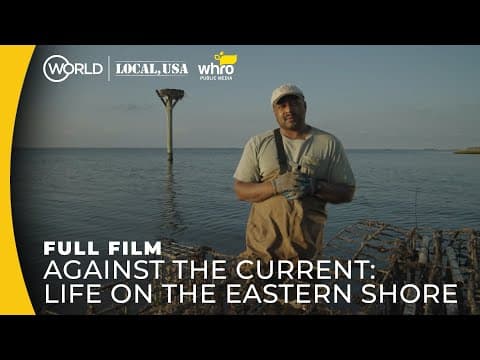
The Eastern Shore of Virginia faces severe challenges due to rising sea levels and climate change, impacting its community, agriculture, and natural ecosystems. Residents share their experiences and concerns about the future of their land and livelihoods as they adapt to these changes.
The Eastern Shore of Virginia, often referred to as the last frontier of the eastern seaboard, is a unique and cherished region nestled between the Atlantic Ocean and Chesapeake Bay. This area is not only rich in history and community spirit but also faces significant environmental challenges, particularly rising sea levels and land loss. This blog post explores the experiences of local residents, farmers, and watermen as they navigate the impacts of climate change on their lives and livelihoods.
The Eastern Shore is celebrated for its natural beauty and close-knit community. Residents cherish local traditions such as the Pony Swim and various oyster roasts, which bring people together and highlight the region's cultural heritage. As one resident noted, the community is always there for each other in times of trouble, emphasizing the strong bonds that define life on the shore.
Virginia is experiencing the second highest rates of sea-level rise in the United States, surpassed only by the Mississippi River Delta. Local farmers and watermen have observed increasing flood events, with high tides becoming more pronounced and low tides failing to recede as they once did. This shift has led to a daily struggle for many, as they grapple with the immediate impacts of flooding and the long-term implications for their homes and businesses.
Agriculture is a cornerstone of the Eastern Shore's economy, but rising sea levels pose a significant threat to local farms. Farmers like those growing soybeans, wheat, and corn have witnessed firsthand the encroachment of saltwater into their fields, rendering once-productive land useless. The salt stains on the soil serve as a stark reminder of the changing landscape, forcing farmers to adapt their practices or seek opportunities elsewhere.
One farmer shared his experience of having to travel long distances to find viable crabbing locations due to the changing conditions in local waters. The relentless cycle of early morning drives and late-night returns underscores the challenges faced by those who depend on the land and sea for their livelihoods.
Eelgrass plays a crucial role in the health of the Eastern Shore's ecosystem. These underwater meadows provide habitat for various marine species and help stabilize sediment. However, the loss of eelgrass due to rising sea levels and increased storm intensity threatens the delicate balance of the region's marine environment. Efforts to restore eelgrass populations have seen some success, with volunteers planting seeds to revive these vital habitats.
The phenomenon of ghost forests—areas where trees have died due to saltwater intrusion—illustrates the dramatic changes occurring on the Eastern Shore. Once vibrant forests are now marked by standing dead trees, a haunting reminder of the impact of climate change. Researchers are studying these ghost forests to understand their formation and the broader implications for coastal ecosystems.
Despite the challenges, the residents of the Eastern Shore are resilient. Many have adapted their farming practices to cope with the changing climate, employing sustainable methods and diversifying crops. Community projects aimed at enhancing climate resilience are underway, focusing on pollution abatement and housing improvements to better prepare for future challenges.
Local knowledge and experience play a vital role in navigating the impacts of climate change. Residents often rely on their understanding of the land and weather patterns to make informed decisions about farming and daily life. However, the increasing frequency of flooding and severe storms has made it clear that adaptation is necessary to ensure the survival of both the community and its agricultural heritage.
As the Eastern Shore grapples with the realities of climate change, residents express concern for future generations. Many wonder whether their children will be able to continue the traditions and livelihoods that have defined their families for generations. The uncertainty surrounding land loss and rising waters looms large, prompting discussions about the need for sustainable practices and community support.
The Eastern Shore is not just a picturesque landscape; it is a vital part of America's cultural and environmental heritage. As the community faces the challenges of rising sea levels and land loss, it is essential to raise awareness and advocate for policies that support resilience and sustainability. The stories of the residents serve as a powerful reminder of the importance of preserving this unique region for future generations.
The Eastern Shore of Virginia is at a crossroads, where the beauty of its landscapes and the strength of its community are tested by the forces of nature. As residents adapt to the realities of climate change, their stories highlight the need for collective action and support to ensure that this cherished region remains a vibrant home for generations to come.



















