
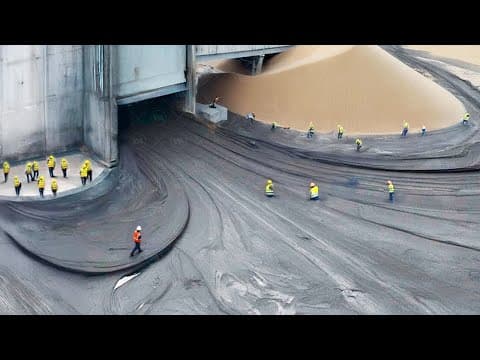
Saudi Arabia is undertaking a monumental project to build the world's largest artificial river to address its severe water scarcity. This initiative aims to transport fresh water from desalination plants across the desert, ensuring sustainable water supply for agriculture and reducing dependence on oil. The project highlights the challenges and innovations in water management in one of the driest regions on Earth.
Saudi Arabia is known for its vast deserts and scorching heat, but beneath this arid landscape lies a significant engineering project that could transform the country’s water supply. This project, dubbed the world's largest artificial river, aims to address the critical issue of fresh water scarcity in a nation that has long relied on underground aquifers and desalination.
For over three decades, Saudi Arabia has been drilling wells to extract underground water, a resource more valuable than oil. With scarce rainfall and no natural lakes or rivers, the country has turned to its hidden reserves to support agriculture and daily life. The government has invested heavily in finding aquifers and drilling deep wells, but the results have been alarming.
In the 1970s, the government discovered vast underground water reserves, but by 2008, it was reported that 80% of these resources had been depleted. Experts predicted that the remaining water could last only another 13 years, leading to a national crisis.
In response to the dwindling water supply, the Saudi government initiated several reforms. After 2015, water consumption began to decline, particularly in agriculture, as the government launched programs to reduce water use. The Quatra program aimed to limit water consumption to 53 gallons per person per day by 2020 and 40 gallons by 2030.
Despite these efforts, the country still relies heavily on desalination, which now accounts for 50% of drinking water. The remaining supply comes from non-renewable groundwater and surface water, with agriculture adopting more efficient methods like drip irrigation.
To combat the water crisis, Saudi Arabia is embarking on an ambitious project to create an artificial river that will stretch 7,500 miles, surpassing the Nile in length. This network will consist of corrosion-resistant pipes, each 7.4 feet in diameter, designed to transport fresh water from desalination plants across the desert.
The project aims to provide a sustainable water supply for agriculture and reduce the country's dependence on oil. Currently, Saudi Arabia imports 80% of its food, and the artificial river could help the nation achieve food self-sufficiency.
Desalination has become a cornerstone of Saudi Arabia's water strategy. The country is the world leader in desalinated water production, generating over 264 billion gallons annually. The process involves two main methods: reverse osmosis and multi-stage flash distillation.
Despite its advantages, desalination is energy-intensive and environmentally challenging. The process generates significant waste, including concentrated brine that can harm marine ecosystems.
To mitigate the environmental impact and reduce costs, Saudi Arabia has turned to solar energy. The Alof G desalination plant, launched in 2018, is the world's largest solar-powered facility, capable of producing 24 million gallons of fresh water daily. This innovative approach not only provides water but also reduces reliance on fossil fuels, aligning with the country's Vision 2030 initiative to diversify its economy.
While the artificial river project and desalination efforts are promising, they come with environmental concerns. The waste produced by desalination plants poses a significant threat to marine life and ecosystems. Each day, Saudi Arabia releases 1.1 billion cubic feet of concentrated brine, which can lower oxygen levels in the ocean and disrupt local habitats.
Saudi Arabia's ambitious plan to create the world's largest artificial river represents a critical step in addressing the country's water scarcity. By leveraging advanced desalination technology and renewable energy, the nation aims to secure a sustainable water supply for its future. However, balancing these innovations with environmental stewardship will be essential to ensure the long-term health of both the ecosystem and the population. As the world watches, Saudi Arabia's journey could serve as a model for other arid regions facing similar challenges.



















