
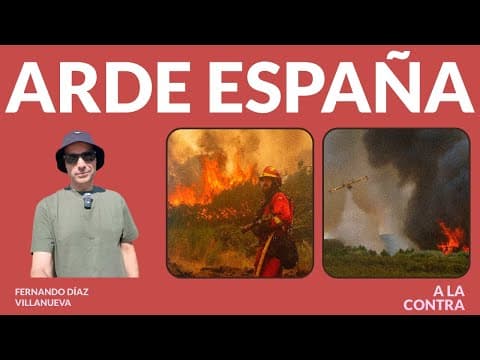
Spain is facing a severe wildfire crisis, with multiple regions ablaze, resulting in fatalities and evacuations. The situation highlights the need for better forest management and political cooperation to prevent future disasters. The government's response has been criticized as inadequate, with political opportunism overshadowing effective action. This article explores the causes of the wildfires, the political implications, and the urgent need for a comprehensive strategy to address forest and
Spain is currently grappling with a devastating wildfire crisis, with reports indicating that the country is ablaze in multiple regions. While the media highlights the severity of the situation, the reality on the ground varies, as some areas remain unaffected. However, the impact of these wildfires is profound, with fatalities, evacuations, and significant political ramifications.
As of now, the wildfires have claimed the lives of three individuals and forced thousands to evacuate their homes. The fires have spread across various regions, including Zamora and Orense, areas not typically associated with such disasters. This summer has been particularly harsh, with a combination of dry conditions and high temperatures exacerbating the situation.
Spain's climate is characterized by hot, dry summers, making it susceptible to wildfires. This year, however, the situation has escalated beyond normal expectations. The spring was unusually wet, leading to an abundance of dry vegetation that has now become fuel for the fires. The combination of high temperatures and dry conditions has created a perfect storm for wildfires to thrive.
The wildfires have not only caused environmental destruction but have also become a focal point for political maneuvering. The government’s response has been criticized as inadequate, with accusations of using the crisis for political gain. The lack of coordination among various governmental levels—national, regional, and local—has been evident, leading to a fragmented response to the crisis.
Critics argue that the central government has failed to take responsibility for the crisis. Instead of focusing on effective firefighting and prevention strategies, political leaders have engaged in blame games, pointing fingers at opposition parties. This toxic political environment has hindered the necessary collaboration needed to address the wildfires effectively.
One of the critical issues highlighted by this crisis is the need for improved forest management and fire prevention strategies. Experts emphasize that wildfires can be mitigated through proper planning and preparation during the winter months. This includes creating firebreaks and managing vegetation to reduce fuel loads.
Historically, Spain has experienced wildfires, but the scale and frequency of recent events suggest a failure in forest management practices. The increase in forested areas, coupled with a decline in rural populations who traditionally managed these lands, has led to overgrown vegetation that is highly flammable.
To prevent future disasters, a comprehensive and long-term strategy for forest management is essential. This requires collaboration among all levels of government and a commitment to investing in fire prevention measures. The current crisis serves as a wake-up call for policymakers to prioritize forest management and disaster preparedness.
The wildfires in Spain are a stark reminder of the challenges posed by climate change and poor land management. As the country faces this crisis, it is crucial for political leaders to rise above partisan politics and work together to implement effective solutions. Only through coordinated efforts can Spain hope to mitigate the impact of wildfires in the future and protect its natural landscapes and communities.



















