
Boyan Slat's initiative, The Ocean Cleanup, aims to tackle ocean plastic pollution by removing debris from the Great Pacific Garbage Patch and preventing plastic from entering oceans via rivers. With innovative technology and community partnerships, the project has made significant strides in cleaning up plastic waste and aims to remove 90% of floating ocean plastic by 2040.
Plastic pollution poses one of the most significant threats to our oceans today. Boyan Slat, inspired by a disappointing diving experience at the age of 16, embarked on a mission to address this pressing issue. This blog post explores the inception, challenges, and achievements of The Ocean Cleanup, an initiative dedicated to removing plastic waste from our oceans and preventing further pollution.
At just 16 years old, Boyan Slat went diving with hopes of witnessing vibrant reefs and diverse marine life. Instead, he was confronted with a disheartening sight: more plastic bags than fish. This experience ignited a passion within him to find a solution to ocean plastic pollution.
For a high school science project, Slat decided to investigate plastic pollution and how it could be cleaned up. His original concept involved a long floating barrier anchored to the seabed, designed to harness ocean currents to collect plastic debris. This simple yet innovative idea laid the groundwork for what would become a global movement.
In 2013, Slat launched The Ocean Cleanup, aiming to tackle the immense challenge of plastic pollution in the oceans. The scale of the problem was staggering, with an estimated 14 million tons of plastic entering the oceans each year. To fund his ambitious project, Slat successfully crowdfunded over $2 million, focusing on the Great Pacific Garbage Patch, the largest concentration of ocean plastic, containing approximately 87,000 tons of debris.
Plastic pollution is not only an environmental issue but also a significant threat to marine life and human health. The debris primarily floats in the upper layers of the ocean, leading to the deaths of thousands of seabirds, turtles, and marine mammals each year. Many animals ingest plastic, mistaking it for food, which disrupts their digestion and damages their organs.
Moreover, microplastics have infiltrated the food chain, affecting the 3 billion people who rely on seafood as their primary protein source. These tiny plastic particles are also found in tap water, beer, and salt, posing potential health risks, including endocrine disruption and various disorders.
Despite the initial enthusiasm, The Ocean Cleanup faced numerous challenges in developing effective systems to collect plastic. Years of prototyping led to the creation of a two-vessel system featuring a floating boom with a permeable skirt. This design allows the system to capture plastic debris efficiently, which is then transported to shore for recycling.
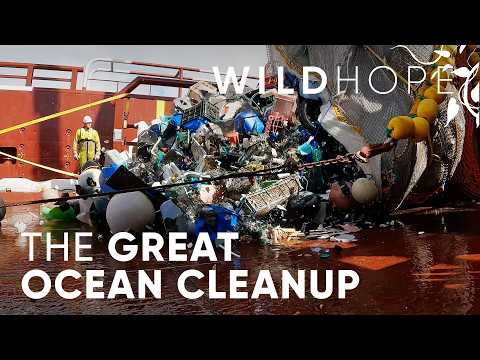
In 2021, Slat experienced a pivotal moment when he saw a photograph of a mountain of plastic collected on the deck of their ship. This visual confirmation of their success solidified his belief that cleaning the oceans was indeed possible. Since then, the system has been scaled up, enabling the team to clean an area the size of a football field every five seconds.
The Ocean Cleanup has set an ambitious target to remove 90% of floating ocean plastic by 2040. However, Slat recognized that addressing the problem at its source is crucial. He expanded operations to target the world's most polluted rivers, which contribute significantly to ocean plastic pollution.
Research indicates that just 1,000 rivers are responsible for approximately 80% of plastic waste entering the oceans. The Ocean Cleanup began its river initiatives in countries like Guatemala, Indonesia, and Jamaica, partnering with local organizations to maximize impact.
In Jamaica, for instance, the Kingston Harbour Cleanup Project aims to address the significant plastic waste problem affecting local fishing communities. The project utilizes an interceptor barrier system to capture debris before it reaches the ocean, demonstrating a proactive approach to pollution management.
The success of The Ocean Cleanup's river initiatives relies heavily on community involvement. Local organizations, like Clean Harbours Jamaica, play a vital role in guiding efforts and ensuring that the cleanup projects address the specific needs of the communities affected by plastic pollution.
Alecia Beaufort, operations manager for Clean Harbours Jamaica, highlights the importance of addressing the plastic waste issue in Kingston. With a history of plastic pollution spanning over 60 years, the community faces significant health risks from contaminated water. The partnership with The Ocean Cleanup has sparked hope for a cleaner environment and healthier livelihoods for local fishermen.
Since the implementation of the interceptor barriers, The Ocean Cleanup has successfully removed over 9,000 tons of trash from the oceans, equivalent to about 10% of the plastic in the Great Pacific Garbage Patch. Slat envisions a future where reduced plastic use makes such efforts unnecessary, but until then, he remains committed to keeping plastic out of the oceans.
Boyan Slat believes that in the not-too-distant future, the oceans can be cleaned, and society will look back in disbelief at the extent of plastic pollution that was allowed to persist for so long. The Ocean Cleanup's journey, which began as a high school project, has evolved into a global movement with the potential to make a significant impact on ocean health and sustainability.
The Ocean Cleanup exemplifies how innovative thinking, community engagement, and technological advancements can come together to address one of the most pressing environmental challenges of our time. As the initiative continues to grow and evolve, it serves as a beacon of hope for a cleaner, healthier ocean and a sustainable future for all.



















