
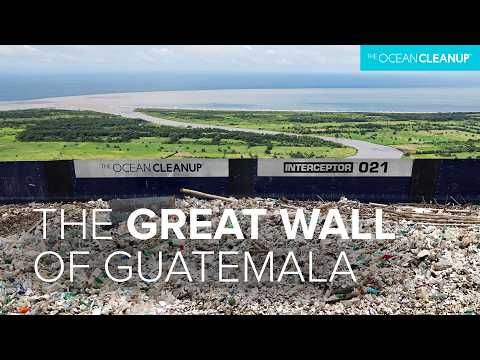
This blog post explores the efforts to combat plastic pollution in the Gulf of Honduras, focusing on the deployment of the Interceptor 21 in the Rio Motagua, community involvement, and the importance of cleaning beaches and rivers to protect marine biodiversity.
The Gulf of Honduras, a stunning part of the Caribbean, is facing a significant environmental challenge due to plastic pollution. This blog post delves into the ongoing efforts to combat this issue, particularly through the deployment of the Interceptor 21 in the Rio Motagua, and highlights the vital role of local communities in these initiatives.
Plastic pollution is a major concern in the Gulf of Honduras, with the Rio Motagua identified as a primary source. This river, the longest in Guatemala, carries waste downstream, impacting not only local ecosystems but also the broader Caribbean region. The urgency to address this pollution is heightened as the rainy season approaches, which can exacerbate the flow of debris into the ocean.
The Interceptor 21 is a significant advancement in the fight against plastic pollution. This deployment is the largest of its kind, measuring over 150 meters long, and is strategically placed in the Rio Motagua to intercept trash before it reaches the ocean. The project aims to tackle the plastic pollution problem not just for one river but for a substantial portion of the Gulf of Honduras, which spans Mexico, Guatemala, and Honduras.
The deployment of the Interceptor 21 is critical as it needs to be operational before the peak of the rainy season in September. This timing is essential to prevent an influx of plastic waste into the Gulf, which could have devastating effects on marine life and local communities that rely on fishing.
Local communities play a crucial role in the success of these environmental initiatives. Since 2016, efforts have been made to clean the Rio Motagua and its surrounding areas. Initially started by a small group of five individuals, these initiatives have grown significantly, focusing on both river and beach cleanups.
Community members have taken it upon themselves to clean their local beaches, which were once heavily polluted. The motivation behind these efforts is not only to restore the beauty of their environment but also to improve the quality of life for residents who depend on fishing and tourism. The collaboration with the Ministry of Environment and Natural Resources has been instrumental in providing support and resources for these initiatives.
In addition to deploying the Interceptor, there is a concerted effort to clean up beaches and remove legacy plastic—waste that has accumulated over the years. Drones have been utilized to identify areas with the highest concentrations of plastic, allowing for targeted cleanup efforts.
The cleanup efforts are not solely focused on aesthetics; they are also vital for protecting biodiversity. The Gulf of Honduras is home to the Mesoamerican Reef, the second-largest reef system in the world, and various ecosystems that support diverse species. By cleaning the beaches and rivers, these initiatives aim to safeguard the environment and promote sustainable practices.
The success of the Interceptor 21 and community cleanups hinges on continuous collaboration among local residents, environmental organizations, and government agencies. The goal is to empower communities to take ownership of their environment and ensure that these efforts are sustainable in the long term.
As the Interceptor 21 becomes operational and beach cleanups continue, there is hope for a cleaner, healthier Gulf of Honduras. The commitment from local communities and organizations is a testament to the power of collective action in addressing environmental challenges.
The fight against plastic pollution in the Gulf of Honduras is a multifaceted effort that combines technology, community engagement, and environmental stewardship. By focusing on both prevention and cleanup, these initiatives aim to restore the natural beauty of the region and protect its vital ecosystems for future generations. The journey towards a cleaner Gulf is ongoing, but with determination and collaboration, a significant impact can be made.



















