
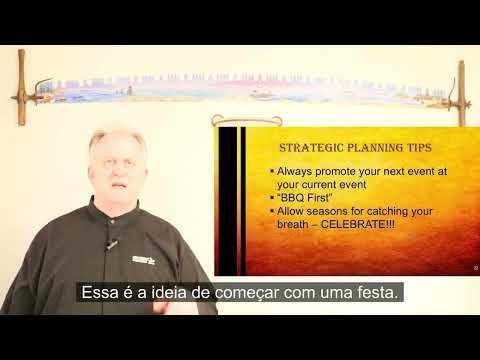
This blog post outlines essential strategic planning tips for churches to enhance outreach and evangelism efforts. It emphasizes the importance of integrating into community networks, understanding perceptions of the church, fostering a culture of service, and utilizing effective communication methods. The post also discusses practical outreach ideas, including community dinners and reverse door hangers, to engage with the community and promote church growth.
In this session of Outreach Methodologies, we delve into strategic planning tips that can significantly enhance a church's outreach and evangelism efforts. These insights are designed to help churches connect more effectively with their communities and foster a culture of service and engagement.
One of the most crucial strategic planning tips is to penetrate existing networks within the community. Instead of trying to draw people away from established groups like PTAs, chambers of commerce, or local sports leagues, churches should aim to integrate into these networks.
Imagine a new church represented by a circle entering a community filled with various existing circles of activity. Rather than pulling individuals from these groups, the church should seek to connect with a person of peace—someone who can introduce them to others in the community. This approach fosters goodwill and helps the church become an integral part of the community.
To effectively reach lost individuals, churches must understand how they are perceived. One practical method is to invite someone who is not part of the church to visit anonymously and provide feedback on their experience. This "secret shopper" approach can reveal valuable insights into how welcoming and engaging the church is, allowing for necessary adjustments to be made.
Establishing a culture of serving and sharing within the church is vital. This can be achieved by organizing common cause groups that engage in community service. For instance, one church grew from a handful of members to 70 by actively participating in over 100 community service events each month. This not only enhances the church's image but also opens doors for sharing the gospel.
When planning outreach activities, it is essential to allocate time and money specifically for these efforts. Many established churches struggle with outreach due to budget constraints caused by other priorities. New church plants should prioritize outreach from the beginning, while existing churches may need to reassess their budgets to free up resources for evangelism.
When planning outreach events, concentration is more effective than spreading efforts too thin. If a church can only manage a few events per year, it is better to schedule them close together to build momentum and community awareness rather than spacing them out.
Utilizing various communication methods is crucial for effective outreach. Relying solely on one platform, such as Google AdWords, limits the church's reach. Instead, churches should employ multiple channels—social media, community events, and personal invitations—to ensure they are reaching people in diverse ways.
Church leaders should maintain a church planting mindset, regardless of their current success. Complacency can lead to stagnation and decline. Always seek new ways to engage and grow the church community.
Mission groups can be a powerful tool for outreach. These groups should not operate independently; instead, church members should actively participate in mission events to build relationships within the community. This involvement helps integrate the church into the local fabric and fosters connections.
Collaborating with other local churches can amplify outreach efforts. By helping each other with events, churches can pool resources and reach a broader audience.
One of the most effective outreach strategies is hosting community dinners. These events can be marketed as opportunities to meet lifelong friends and enjoy a meal on the church. Offering incentives, such as free tickets to local events, can attract families and create a welcoming atmosphere. During these dinners, church leaders can share their vision and engage attendees in meaningful conversations.
Another innovative outreach idea is the reverse door hanger. This involves delivering a small gift, such as coffee or a coupon, along with a survey to gather community insights. This approach not only serves as a conversation starter but also allows churches to identify potential interests and needs within the community.
Churches should consistently track the results of their outreach efforts, comparing current data with previous years to assess growth and engagement. Additionally, being aware of community events and calendars can help avoid scheduling conflicts and enhance participation.
Effective outreach and evangelism require strategic planning and a willingness to engage with the community. By penetrating existing networks, understanding perceptions, fostering a culture of service, and utilizing diverse communication methods, churches can significantly enhance their outreach efforts. Implementing practical strategies like community dinners and reverse door hangers can lead to meaningful connections and growth within the church. As churches continue to adapt and innovate, they can fulfill their mission of sharing the gospel and serving their communities.



















