
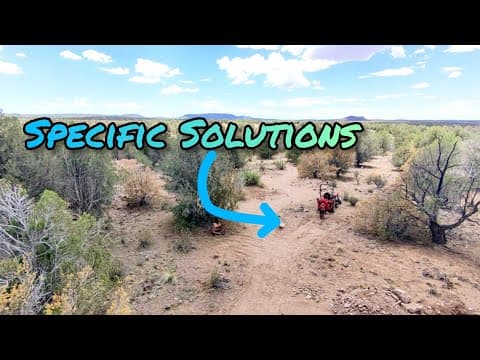
This blog post explores effective strategies for rainwater harvesting in high desert environments, focusing on earthworks, soil types, and vegetation management. It discusses the use of machinery for larger projects, the importance of observation, and the integration of various structures to maximize water retention and support sustainable agriculture.
In the high desert landscape, effective rainwater harvesting is crucial for sustaining vegetation and agriculture. This blog post delves into various strategies employed to capture and utilize rainwater during the monsoon season, highlighting the unique challenges and solutions found in this arid environment.
The high desert presents a diverse range of soil types and geological features. On our property, we encounter soft sandy soils that allow for deep digging, as well as rocky outcroppings that complicate earthworks. This variability necessitates a tailored approach to rainwater harvesting, adapting techniques to the specific conditions of each area.
Recently, we gained access to machinery that enables us to undertake larger earthworks than manual labor allows. This shift is significant, as it allows us to create more substantial rainwater harvesting structures. The machinery facilitates digging deeper into the landscape, which is essential for maximizing water retention.
One of the primary challenges we face is the presence of a hard pan layer known as khichi, along with rocky geology. These factors limit our ability to dig deeply in many areas. However, through trial and error, we have identified spots where we can excavate down to six or seven feet, allowing us to create effective rainwater harvesting basins.
The design of our rainwater harvesting systems is informed by previous observations of water flow during monsoon storms. We strategically place basins to capture sheet flow, ensuring they are positioned to maximize water collection. Additionally, some basins are lined with EPDM rubber to enhance water storage capacity, supporting future vegetation growth.
These basins serve multiple purposes, acting as water stations for both livestock and plants. By directing water into these structures, we can ensure that it penetrates the ground effectively, promoting healthy soil and vegetation.
In contrast to the southern section, the northern part of our property is characterized by abundant vegetation and rocky terrain. Here, the approach to rainwater harvesting differs significantly due to the challenges posed by the rocks. Instead of extensive digging, we focus on utilizing the existing rocks to build structures such as zouri bowls, rock check dams, and leaky weirs.
Interestingly, the rocky areas have shown better water penetration, likely due to the fracturing of rocks that allows water to seep into the ground. This observation informs our strategy, as we aim to enhance the natural water retention capabilities of the landscape.
Practicing permaculture involves continuous observation and adaptation to the landscape. We are learning more about the geological patterns and how they influence water flow and vegetation growth. This knowledge is crucial for developing effective rainwater harvesting strategies that align with the natural environment.
In the northern section, we are constructing check dams to slow down water flow and build up organic material. This approach not only captures water but also enhances soil quality, promoting a healthier ecosystem.
As we continue our project, our primary goal remains capturing and harvesting as much rainwater as possible. This includes not only soaking the landscape but also storing water for future use in growing fruit trees and expanding our food forest. Observation plays a key role in this process, allowing us to adapt our strategies based on real-time data and environmental changes.
The Green in the Desert Project invites support through donations, memberships, and consultations on permaculture practices. Engaging with the community helps us share knowledge and promote sustainable practices in rainwater harvesting.
In conclusion, strategic rainwater harvesting in high desert landscapes requires a multifaceted approach that considers the unique challenges of the environment. By utilizing machinery, observing water flow patterns, and implementing permaculture principles, we can create effective systems that enhance water retention and support sustainable agriculture. As we continue to develop our techniques, we remain committed to adapting and learning from the landscape, ensuring a thriving ecosystem for future generations.



















