
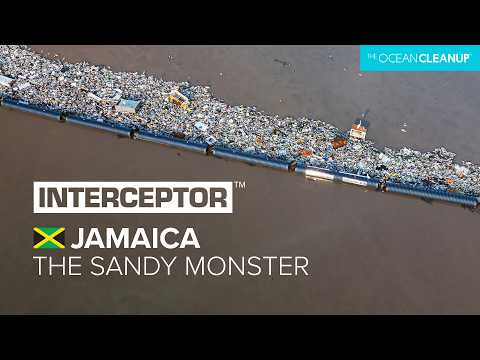
The installation of the largest interceptor in Kingston, Jamaica, aims to combat plastic pollution by targeting the Sandy Gully, the main source of trash entering Kingston Harbor. This project involves community engagement, innovative technology, and a commitment to restoring the local ecosystem.
Plastic pollution is a pressing global issue, and Kingston, Jamaica, is no exception. The recent installation of the largest interceptor in the region aims to address this challenge by targeting the Sandy Gully, a significant contributor to the pollution in Kingston Harbor. This blog post explores the project's background, the technology involved, and the community's role in this transformative initiative.
Sandy Gully, often referred to as the mother of all gullies, is the largest gully in Kingston. It serves as a main artery through the city, collecting runoff from various channels during heavy rains. Unfortunately, this runoff carries a substantial amount of trash, mud, and sewage into Kingston Harbor, severely impacting the local ecosystem.
For years, the gully has been a vital source of food for local communities, providing fish such as snapper and lobster. However, pollution has decimated fish populations, leading to a significant decline in local fishing activities. Residents have expressed their frustration, noting that the once-abundant marine life has been replaced by garbage and debris.
The project team recognizes that addressing the pollution problem requires more than just technology; it necessitates community involvement. Engaging with local residents who have lived near the gully for decades is crucial. Their firsthand knowledge about the gully's behavior and the changes over the years provides invaluable insights that data alone cannot capture.
Historically, the gully has faced numerous challenges, including inadequate waste management systems and illegal dumping. The community's involvement is essential to educate residents about proper waste disposal and the importance of maintaining a clean environment. The project aims to foster a sense of ownership among locals, encouraging them to participate actively in the restoration efforts.
The installation of the interceptor is a significant milestone in the fight against plastic pollution in Kingston. The project involves deploying a 260-meter-long barrier designed to capture trash before it reaches the harbor. This barrier is not only a technological feat but also a symbol of hope for the community.
The interceptor consists of multiple elements, each weighing over 100 kg and measuring six meters long. The installation process requires careful maneuvering and assembly, ensuring that the barrier is effective in trapping debris. The project team has upgraded the connections to enhance the barrier's durability, addressing potential weak points in the design.
Local residents have shown tremendous enthusiasm for the project, with many volunteering to assist in the installation process. This hands-on involvement fosters a sense of pride and connection to the project, as community members witness the tangible impact of their efforts.
In a traditional Jamaican practice, the site was blessed with rum to ward off any negative influences and ensure a successful outcome. This cultural touch highlights the importance of community traditions in the project, reinforcing the connection between the interceptor and the local culture.
Following the installation, the interceptor has already begun to show promising results. After just one hour of rain, the barrier successfully captured a significant amount of trash, including fridges and numerous bottles. This immediate success underscores the interceptor's potential to make a real difference in reducing pollution in Kingston Harbor.
The project team plans to monitor the interceptor's performance closely over the coming months, working with local partners to ensure its effective operation. Additionally, there are plans to explore other gullies in the area for similar interventions, demonstrating a commitment to long-term environmental restoration.
The installation of the largest interceptor in Kingston is a groundbreaking step towards tackling plastic pollution in Jamaica. By combining innovative technology with community engagement, this project not only aims to restore the local ecosystem but also empowers residents to take an active role in protecting their environment. As the interceptor begins to show results, it serves as a beacon of hope for a cleaner, healthier future for Kingston and its inhabitants.



















