
Between 1993 and 2020, humanity successfully prevented numerous bird and mammal extinctions, thanks to international conservation efforts. This blog post highlights ten remarkable species that have been saved from extinction, showcasing the impact of dedicated conservation initiatives.
Between 1993 and 2020, humanity was able to prevent up to 48 bird and mammal extinctions, with only 15 species lost. This achievement does not even account for the reptiles, amphibians, fish, and insects that have also been saved from total extinction. The foundation for these successes was laid in 1993 with the establishment of an international treaty aimed at protecting biodiversity worldwide. Studies indicate that without these crucial conservation efforts, the extinction rate of birds and mammals would have been up to four times higher today.
In this blog post, we will explore ten species that have been saved from extinction, highlighting the factors that led to their near demise and the conservation efforts that brought them back from the brink.
The survival of animal species is influenced by various factors, including climate change, habitat loss, and human activities. The destruction of natural habitats not only makes it difficult for animals to find food and shelter but also hampers their breeding success, leading to population declines. To combat this, there are currently over 1,500 sanctuaries and numerous captive breeding programs worldwide aimed at helping endangered species recover.
Some species face unique threats. For instance, the Peregrine Falcon was added to the endangered species list in North America in 1973 due to hunting and poisoning from the pesticide DDT. Following the ban of DDT, the population rebounded from just 39 breeding pairs in the 1970s to around 1,650 pairs by the turn of the century, with current estimates at about 500,000 mature individuals.
Native to Brazil, the Golden Lion Tamarin faced a drastic decline in the 1970s, with fewer than 200 individuals remaining due to habitat loss and pet trading. Conservation efforts, including habitat restoration and breeding programs, have led to a population increase to nearly 5,000 individuals today, changing their status from critically endangered to endangered in 2003.
Once numbering fewer than 100 in 2002, the Iberian Lynx has made a remarkable recovery thanks to habitat restoration and the introduction of healthy rabbits, which are crucial to their diet. By 2023, their population exceeded 2,000, allowing them to be downgraded from critically endangered to vulnerable.
The Thailand Tiger faced severe population declines due to poaching and habitat loss, with only 40 individuals remaining in 2007. Through increased surveillance and habitat protection, their numbers have surged by 250% by 2023, showcasing the importance of apex predators in ecosystem health.
The Assam Rhino population has rebounded from around 600 in the 1960s to over 3,000 today, thanks to strict anti-poaching measures and habitat expansion. The state of Assam has seen a significant drop in poaching incidents, with no rhinos poached in 2022, marking a significant conservation milestone.
This tiny bird was on the brink of extinction due to habitat loss, with fewer than 100 remaining by 2019. Conservationists have implemented captive breeding programs and habitat preservation efforts, successfully releasing 1,000 sparrows back into the wild between 2019 and 2024.
The Kagu, a bird native to New Caledonia, faced extinction due to habitat destruction and invasive species. Conservation efforts have led to a tripling of their population, with around 2,000 individuals now thriving, thanks to programs that monitor their movements and protect their nests.
Once extinct in Europe for 300 years, the Northern Bald Ibis has been successfully reintroduced through conservation efforts. Between 2014 and 2019, 142 birds were reintroduced, and by 2023, their population was around 300, with ongoing migration training programs in place.
Sea turtles have seen a significant population increase due to conservation efforts that monitor nests and protect hatchlings. Nesting numbers in the Mediterranean and the United States have reached record highs, with a remarkable 2,000% increase in Cape Verde since 2015.
Once thought extinct, the Black-footed Ferret was rediscovered in the 1980s and has since been recovering through breeding programs. With 400 individuals in the wild and ongoing cloning efforts to increase genetic diversity, this species is on the path to recovery.
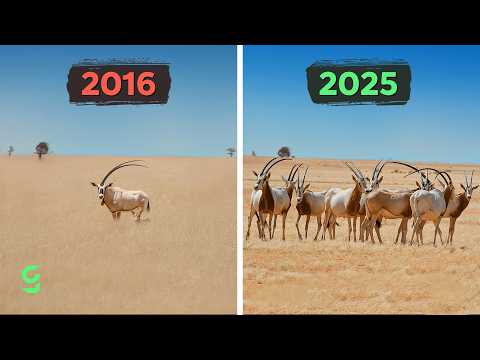
The Scimitar-horned Oryx was declared extinct in the wild by 2000 due to relentless hunting. However, conservationists have successfully reintroduced them into the wild, with at least 600 individuals now populating the grasslands of Chad, demonstrating the power of global conservation efforts.
The successful recovery of these ten species illustrates the incredible impact of dedicated conservation efforts. By working together and prioritizing the protection of biodiversity, humanity can achieve remarkable outcomes in saving species from extinction. As we reflect on these successes, it is essential to continue advocating for and supporting conservation initiatives to ensure that more species receive the care they need to thrive.



















