
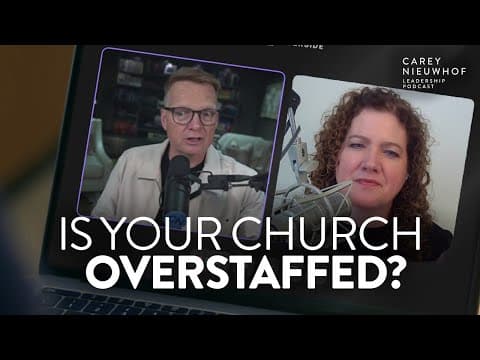
Churches often face the challenge of being overstaffed due to trying to do too much ministry, lacking volunteer engagement, and mismanagement of resources. This blog post explores the dynamics of church staffing, the impact of leadership transitions, and strategies for effective ministry management.
In the realm of church management, staffing is a critical issue that can significantly impact a church's effectiveness and sustainability. Many churches struggle with being overstaffed, which can lead to wasted resources and hindered ministry efforts. In this blog post, we will explore the reasons behind overstaffing, the dynamics of leadership transitions, and strategies for effective church management.
There are three primary reasons why churches may find themselves overstaffed:
Too Much Ministry: Churches often attempt to engage in too many ministries without the necessary personnel to support them. When staffing costs exceed 55% of the budget, it indicates that the church may be trying to do too much with too few resources.
Lack of Volunteer Engagement: Many churches fail to engage enough volunteers in their ministries. This lack of volunteer support can lead to an overreliance on paid staff, which can be financially unsustainable.
Mismanagement of Resources: Churches may hire staff without a clear understanding of their needs, leading to a culture where every new need results in a new hire rather than empowering existing members to take on leadership roles.
To determine if a church is overstaffed, leaders should consider two key metrics:
Leadership transitions can be particularly challenging for churches, especially when a founder or key leader passes away unexpectedly. The recent passing of Tony Morgan, founder of the Unstuck Group, serves as a poignant example of how such transitions can affect an organization.
Following Tony's sudden death, the Unstuck Group faced the daunting task of continuing its mission without its founder. Amy Anderson, who stepped into a leadership role, shared her experience of navigating grief while also focusing on the future of the organization. The team had to come together to honor Tony's legacy while also moving forward with their mission.
Tony Morgan emphasized the importance of building a strong team culture that values diverse skill sets and encourages collaboration. This culture allowed the Unstuck Group to thrive even after his passing, as the team was already equipped to make decisions and lead effectively.
One of the most effective strategies for managing church staffing is to empower volunteer leaders. Growing churches often have 30% fewer paid staff and 20% more volunteer leaders. This approach not only reduces staffing costs but also fosters a sense of ownership and engagement among church members.
Churches should focus on their core ministries and avoid spreading themselves too thin. By identifying key areas of ministry and investing in volunteer leadership, churches can maximize their impact without overstaffing.
Churches must also prioritize the development of future leaders. This involves creating pathways for young leaders to engage in ministry and providing them with opportunities to grow. As Amy Anderson noted, churches should not only look for experienced leaders but also be open to raising up leaders from within their congregations.
The challenge of overstaffing in churches is a complex issue that requires careful consideration and strategic planning. By understanding the reasons behind overstaffing, navigating leadership transitions effectively, and empowering volunteer leaders, churches can optimize their resources and enhance their ministry impact. As the landscape of church leadership continues to evolve, it is essential for church leaders to remain adaptable and focused on their mission.



















