
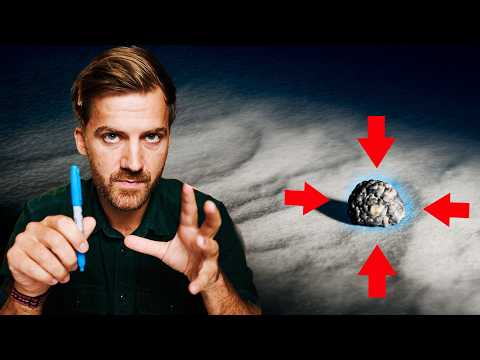
Nauru, once a wealthy nation, now faces economic despair and is turning to deep-sea mining of polymetallic nodules as a potential solution. This blog explores the history of Nauru, the environmental and legal implications of deep-sea mining, and the complex dynamics between powerful corporations and vulnerable nations.
In the vast expanse of the South Pacific lies Nauru, a tiny island nation that has seen both prosperity and despair. Once one of the richest countries in the world, Nauru now grapples with economic challenges that have led it to explore deep-sea mining as a potential salvation. This blog delves into the history of Nauru, the controversial practice of deep-sea mining, and the implications for both the environment and international law.
Recently, a watermelon in Nauru was priced at 61 Australian dollars (approximately 37 US dollars), highlighting the island's economic struggles. The inability to grow food locally has forced Nauruans to rely on expensive imports, a stark contrast to their past wealth derived from phosphate mining.
Nauru's history is marked by exploitation and economic mismanagement. Once rich in phosphate, a valuable fertilizer derived from bird droppings, Nauru was heavily mined by foreign powers, leading to environmental degradation and loss of arable land. By the 1970s, Nauru had the second highest GDP per capita in the world, but this wealth was short-lived.
As phosphate reserves dwindled, Nauru's economy collapsed. The government made a series of poor investments, including selling passports and establishing offshore banking, which attracted dubious characters and ultimately led to further financial ruin. Today, Nauru faces high rates of obesity and diabetes, largely due to a diet of processed foods, as fresh produce is scarce.
Beneath the ocean floor, billions of polymetallic nodules—metallic balls rich in nickel, cobalt, copper, and manganese—sit waiting to be harvested. These metals are crucial for modern technology, particularly in the production of electric vehicles and electronics. The potential value of these nodules is estimated at $16 trillion, making them an attractive target for mining companies.
The Metals Company (TMC), a Canadian-based firm, aims to harvest these nodules. Nauru has partnered with TMC, granting them access to the seabed in exchange for potential economic benefits. However, this partnership raises concerns about the exploitation of Nauru and the environmental impact of mining operations.
Deep-sea mining poses significant risks to the ocean's ecosystem. The extraction process could destroy habitats and disrupt the delicate balance of marine life. Experts warn that the long-term effects of mining are largely unknown, and the potential for irreversible damage is high.
International laws, particularly the United Nations Convention on the Law of the Sea (UNCLOS), aim to regulate deep-sea mining and ensure that benefits are shared equitably among nations. However, the effectiveness of these regulations is under scrutiny, especially as powerful nations like the United States consider bypassing international oversight to pursue their own mining interests.
For TMC to mine legally, they require sponsorship from a member state of UNCLOS. Nauru's role as a sponsor raises questions about its capacity to effectively regulate TMC's operations. Critics argue that Nauru may lack the resources and expertise to hold TMC accountable, leading to a potential repeat of historical exploitation.
The framework established by UNCLOS is intended to protect the common heritage of mankind and ensure that developing nations benefit from resources found in international waters. However, the reality of sponsorship arrangements often favors powerful corporations, raising concerns about the integrity of this system.
Nauru's journey from wealth to desperation and its current pursuit of deep-sea mining encapsulates the complexities of resource exploitation in a post-colonial world. As the island nation seeks to reclaim its economic stability, it faces the daunting challenge of balancing immediate financial needs with the long-term health of its environment. The race to mine the ocean is not just about resources; it is a reflection of the ongoing struggle between powerful entities and vulnerable nations, with implications that extend far beyond the depths of the sea.



















