
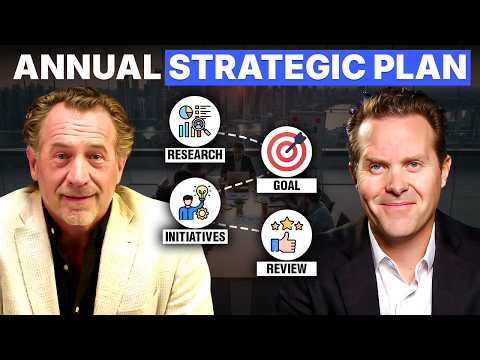
Entrepreneurs often underestimate what they can achieve in 10 years and overestimate what they can do in one year. This comprehensive 8-step strategic planning guide helps business owners set a clear vision, work backwards to set achievable goals, create actionable plans, and maintain accountability to grow and scale their businesses effectively in 2026 and beyond.
Entrepreneurship is a journey that requires vision, planning, and execution. As we step into 2026, it’s crucial for business owners to adopt a strategic approach to growth. This article outlines an 8-step strategic planning process shared by Mark Cohler and Matt Sorenson on the Main Street Business podcast, designed to help entrepreneurs think big, set clear goals, and execute effectively.
One of the key insights shared is that entrepreneurs tend to underestimate what they can accomplish in 10 years while overestimating what they can achieve in one year. This means that while short-term goals are important, having a bold, long-term vision is essential for sustained success.
For example, even if you are currently facing financial challenges, such as being in debt, you can still set ambitious goals like owning 10 rental properties in 10 years. The key is to take manageable steps each year to improve your financial health and move toward that vision.
Writing down your strategic plan is not just about documentation; it fundamentally changes how your brain processes your goals. Scientific studies show that putting pen to paper helps you think more deeply and strategically.
In today’s fast-paced digital world, thoughts often move faster than our ability to articulate them. Writing slows down this process, allowing for better reflection and clarity. Additionally, having a written plan provides a tangible reference to track progress and celebrate milestones.
Set a clear vision of what your business looks like in 10 years. This “ideal scene” should be detailed and realistic, covering aspects such as:
For instance, if you own rental properties, your ideal scene might include the number of rentals you want to own, how they are organized legally (e.g., LLCs), and how the portfolio contributes to your overall business.
Mark and Matt recommend a creative exercise inspired by a Lululemon training: find a quiet place, close your eyes, and vividly imagine your business’s ideal future. Then, write down what you see in detail.
Once your 10-year vision is clear, break it down by working backwards:
This backward planning ensures that your short-term actions align with your long-term vision.
Pause and assess your current resources, capacity, and any obstacles that might affect your plan. This step involves being honest about what needs to change or improve to achieve your goals.
For example, if you’re considering firing a family member who is underperforming in your business, this is the time to make that tough decision to ensure your company’s health.
Break your one-year goals into manageable action items. These should be specific tasks that move you closer to your objectives.
For example, if your goal is to acquire one rental property this year, your action items might include researching markets, securing financing, and finding a property.
Assign deadlines and schedule your tasks throughout the year. Realistic scheduling helps prevent overwhelm and keeps you accountable.
Sharing your strategic plan with a board, mastermind group, spouse, or trusted advisors adds accountability and provides valuable feedback.
Mark emphasizes the importance of sharing the plan with your spouse or business partner to ensure alignment and support.
A strategic plan is a living document. Regularly review your progress and be willing to pivot or modify your plan as circumstances change.
This flexibility allows you to stay on course toward your vision while adapting to new opportunities or challenges.
Strategic planning is not just about creating a document; it’s about setting a clear vision, breaking it down into achievable goals, and executing with discipline and accountability. By following these eight steps, entrepreneurs can confidently navigate the complexities of business growth in 2026 and beyond.
Remember, the journey of entrepreneurship is a marathon, not a sprint. Think big, plan wisely, and take consistent action toward your ideal future.
Thank you for reading this comprehensive guide inspired by the Main Street Business podcast. We hope it empowers you to create and execute a strategic plan that transforms your business and life.



















