
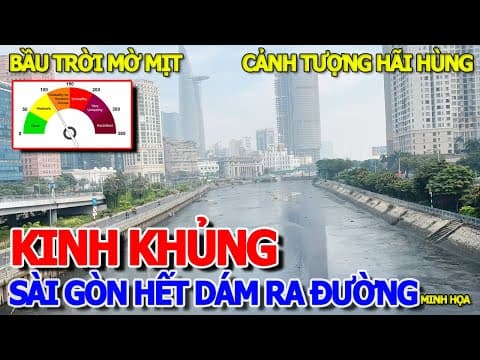
This blog post explores the severe pollution and traffic congestion in Saigon as observed on January 14, 2025. It highlights the environmental challenges, the overwhelming number of vehicles, and the impact on public health, while also reflecting on the city's changing landscape and the urgent need for solutions.
On January 14, 2025, the streets of Saigon presented a grim picture of pollution and traffic congestion. As the day began, the air was thick with smog, and the sound of honking horns filled the atmosphere, painting a stark contrast to the vibrant city life that many associate with this bustling metropolis.
At around 8:00 AM, the situation was already dire. The narrator expressed disbelief at the sheer number of vehicles on the road, noting that the pollution levels were alarming. The water in the canals was dark and murky, a clear indication of the environmental degradation affecting the city. The narrator, who appeared to be in their late twenties, remarked on the health implications of such pollution, especially for those sensitive to environmental changes.
The discussion shifted to the health risks associated with the current state of the environment. The narrator emphasized the importance of maintaining good health, particularly for those with respiratory issues. The pollution in Saigon was compared to that in Hanoi, where waste burning contributes significantly to air quality deterioration. The narrator urged residents to be cautious, especially on days when pollution levels are particularly high.
By 10:00 AM, the traffic situation had worsened. The narrator described the overwhelming number of motorcycles and cars, estimating that Saigon had over 10 million vehicles, with a significant portion being motorcycles. This congestion not only contributed to air pollution but also made commuting a nightmare for residents. The narrator noted that certain days, particularly Tuesdays and Fridays, were notorious for heavy traffic, making it essential for commuters to plan their journeys carefully.
The economic implications of this traffic crisis were also highlighted. A local transport operator shared their experience of high fuel costs, which significantly cut into their profits. With transportation costs soaring, the burden on small businesses and individual operators was evident. The narrator pointed out that the environmental impact of these vehicles was substantial, contributing to carbon emissions and further exacerbating the pollution crisis.
As the narrator navigated through the city, they reflected on the changing landscape of Saigon. The once-clear skies were now often obscured by a thick layer of smog, making it difficult to see even a few blocks ahead. The narrator expressed concern about the future, pondering whether conditions would improve or worsen in the coming years.
The discussion also touched on urban planning and the need for sustainable solutions to combat pollution and traffic congestion. The narrator noted that areas with more greenery seemed to fare better in terms of air quality, suggesting that increasing green spaces could be a viable solution. However, the rapid urbanization and development in Saigon posed challenges to implementing such changes.
In conclusion, the situation in Saigon as of January 2025 is a wake-up call for residents and authorities alike. The combination of severe pollution and traffic congestion presents a significant challenge that requires immediate attention. As the narrator aptly noted, the future of Saigon depends on the actions taken today to address these pressing issues. Without concerted efforts to improve air quality and traffic management, the city risks facing even greater environmental and health crises in the years to come.



















