
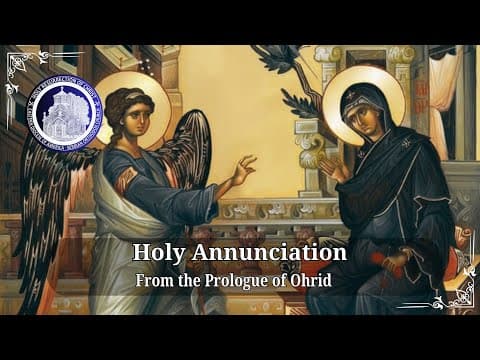
The Annunciation marks the pivotal moment when the Archangel Gabriel announced to the Virgin Mary that she would conceive the Son of God, highlighting her dedication to God and the significance of this event in the history of salvation.
The Annunciation is a significant event in Christian theology, marking the moment when the Archangel Gabriel announced to the Virgin Mary that she would conceive the Son of God. This event not only signifies the beginning of the New Testament but also embodies profound themes of dedication, divine intervention, and joy.
According to tradition, the Virgin Mary was dedicated to God from a young age. At the age of 14, after spending 11 years living and serving in the temple of Jerusalem, she was informed by the priests that she could no longer remain in the temple and was required to be betrothed. This announcement surprised the priests, as Mary expressed her desire to remain a virgin and dedicate her life to God rather than enter into marriage.
In response to Mary's commitment to her vow of virginity, Zacharias, the high priest, along with other priests, decided to gather 12 unmarried men from the tribe of David. Their intention was to entrust Mary to one of these men, ensuring her virginity and providing care for her. Ultimately, Mary was entrusted to Joseph of Nazareth, who was her kinsman.
In Joseph's household, Mary continued to live a life dedicated to God, similar to her time in the temple. She occupied her days with reading sacred scripture, prayer, godly thoughts, fasting, and handiwork. Mary rarely ventured outside and showed little interest in worldly matters. Her interactions were minimal, often limited to Joseph's two daughters, reflecting her commitment to a life of solitude and devotion.
As prophesied by Daniel, the fullness of time arrived when God chose to fulfill His promise to humanity. The Archangel Gabriel appeared to Mary in her chamber, coincidentally as she was contemplating the prophecy from the book of Isaiah, which foretold that a virgin would conceive and bear a son. Gabriel greeted her with the words, "Rejoice, thou that art highly favored, the Lord is with thee."
This moment marked the beginning of the salvation of mankind and the restoration of all creation. The words of the Archangel Gabriel, "Rejoice, oh Mary full of grace," opened the history of the New Testament, signifying that this event brought joy not only to humanity but to all of creation.
The Annunciation is celebrated as a great feast in the Christian calendar, symbolizing profound joy. It represents the intersection of divine will and human response, showcasing Mary's unwavering faith and commitment to God. This event is not merely a historical moment but a cornerstone of Christian belief, emphasizing the importance of joy in the narrative of salvation.
In conclusion, the Annunciation stands as a testament to the power of faith and the joy that comes from divine intervention. It invites believers to reflect on their own commitments to God and the joy that can arise from such dedication.



















