
This blog post delves into the unique use of klinkers, or street bricks, in Dutch street design, highlighting their durability, aesthetic appeal, and the philosophy behind their use in urban planning, contrasting them with asphalt and discussing their impact on safety and sustainability.
Asphalt is widely recognized as an excellent material for roads, providing a smooth and even surface that ensures safety and comfort for high-speed traffic. It is cost-effective to install, especially over large areas like highways, and can be laid quickly. However, in the Netherlands, the story is different when it comes to streets. Most Dutch streets are constructed using pre-constructed brick pavers known as klinkers, which reveal much about the philosophy of Dutch street design.
Klinkers, or street bricks, are not just a historical remnant; they are actively used in modern neighborhoods across the Netherlands. These bricks are typically made from river clay, though some are made from concrete or recycled materials. Baked at high temperatures, klinkers are more durable than standard building bricks. While the technical name for these bricks is straatbaksteen, they are affectionately referred to as klinkers, a name derived from the sound they make when struck together.
Klinkers come in various shapes and sizes, with three primary types used in most streets. They are laid out in one of six common patterns, with municipalities having the autonomy to choose which klinkers to use. For instance, the keiformaat klinkers in keperverband are often used for driving surfaces due to their resistance to displacement from tires. Parking spaces typically feature the elleboogverband pattern, while temporary loading zones are marked with a distinctive diagonal pattern of white klinkers.
A notable trend in Dutch street design is the placement of parking spaces at sidewalk level rather than on the road. This design choice allows for wider sidewalks when no cars are parked, enhancing pedestrian comfort. In Amsterdam, plans to remove 10,000 parking spaces aim to further prioritize pedestrian and cycling spaces.
Sidewalks in the Netherlands are generally made of square tiles called stoeptagels, which serve various purposes, including wayfinding for visually impaired individuals. Curbs are constructed from longer segments that interlock, creating a modular design that is easy to assemble and maintain.
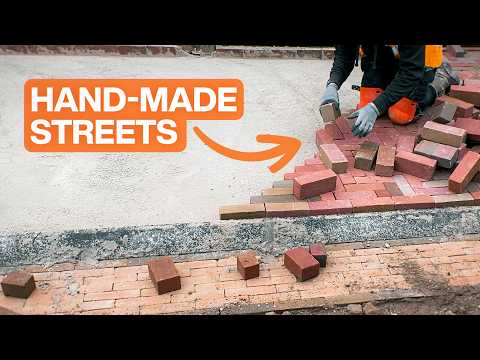
When constructing a new street, the curbs are placed first to define the space, followed by the assembly of klinkers around them. While smaller sections are often laid by hand, larger areas can be completed using machines. Interestingly, when existing streets are repaired, the klinkers are reused, minimizing the need for heavy machinery and reducing environmental impact.
Klinkers can last for decades, often outlasting asphalt streets, which typically require resurfacing every 10 to 15 years. The maintenance of klinkers is relatively straightforward, as they can be adjusted without heavy machinery. This contrasts sharply with asphalt, which can develop potholes and requires frequent repairs.
Klinkers also contribute to sustainability. They are primarily made from locally sourced river clay, making them a more environmentally friendly option compared to asphalt, which relies on imported petroleum products. Furthermore, klinkers allow for water infiltration, reducing stormwater runoff and the associated strain on drainage systems.
The use of klinkers is closely tied to the Dutch philosophy of street design, which emphasizes safety and accessibility. Streets are categorized into three types: highways, distributor roads, and neighborhood access streets. Klinkers are primarily used in the latter, where traffic volumes are kept low to ensure safety for pedestrians and cyclists.
Klinkers inherently promote slower driving speeds due to their uneven surface, which produces more noise when driven over. This serves as a subconscious cue for drivers to reduce speed. Additionally, traffic calming measures such as speed bumps are often constructed from klinkers, further enhancing safety.
The use of klinkers in Dutch street design is a testament to the country’s commitment to creating safe, sustainable, and aesthetically pleasing urban environments. While asphalt remains necessary for high-traffic roads, the philosophy behind the use of klinkers reflects a broader understanding of urban planning that prioritizes the needs of all road users, particularly pedestrians and cyclists. As cities continue to evolve, the integration of klinkers into street design will likely play a crucial role in shaping the future of urban mobility in the Netherlands and beyond.



















