Russia's economy is currently in a cooling-off phase after an initial post-invasion boom, characterized by stagnation and low inflation. While oil and gas revenues fluctuate, the biggest economic challenge is the growing budget deficit driven by the escalating costs of the war in Ukraine. The Kremlin faces a critical political dilemma in balancing military spending with civilian needs, risking regime stability if unresolved.
Russia's economy has been a subject of intense debate, with opinions ranging from it doing exceptionally well to being on the brink of collapse. However, the reality is more nuanced. The primary threat to Russia's economic stability is not the commonly assumed factors but rather the growing imbalance in its budget caused by the escalating costs of the ongoing war and the political challenges of resource distribution.
Following the full-scale invasion of Ukraine, Russia experienced an economic boom driven by increased fiscal spending and initially loose monetary policy. This boom has now ended, and the economy is in a cooling-off period characterized by stagnation.
The Central Bank maintains high interest rates (around 15.5%) to keep inflation low, which contributes to the economic slowdown.
The challenges facing Russia's economy can be understood in three distinct layers:
The growing gap between revenues and expenditures creates a significant budget shortfall, forcing the government to consider deep spending cuts, particularly in military spending, which may not be realistic.
The key issue is political: how the government allocates resources between the war effort and civilian sectors. While the economy can function with high military spending, the population's tolerance for reduced welfare and consumption is limited. This tension poses a risk to regime stability.
Recent increases in oil prices, partly due to the conflict in Iran, have temporarily boosted Russia's budget revenues. However, this is seen as an artificial and potentially short-lived situation:
Russia's economy is not collapsing but faces significant challenges. The fundamental growth potential is limited by sanctions and demographics, the economy is cooling after a post-invasion boom, and the most pressing issue is the political economy of budget distribution amid rising war costs.
The Kremlin must navigate these challenges carefully. While the economy itself may avoid a crisis, the political consequences of budget imbalances and resource allocation could threaten regime stability if not addressed.
Understanding these layers is crucial for a realistic assessment of Russia's economic future and the broader geopolitical implications.
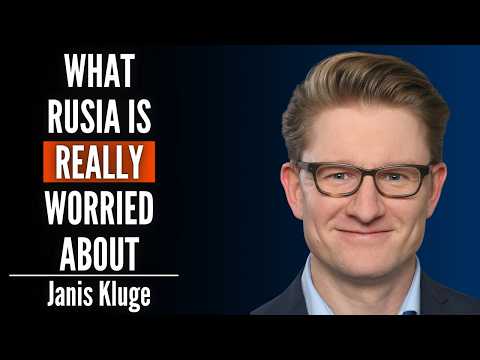
This analysis is based on insights from Janis Kluge, a senior associate at the German Institute for International and Security Affairs and a foremost European expert on the Russian economy.