
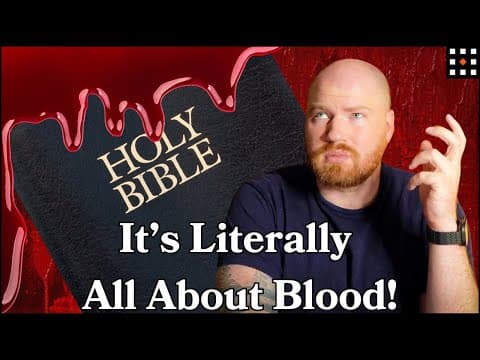
This blog post explores the centrality of blood in Christianity, examining its historical roots, theological implications, and the ritualistic practices surrounding it. It discusses the concept of blood as currency in sacrificial systems, the evolution of blood theology from the Old Testament to the New Testament, and the implications of these beliefs in modern Christianity, ultimately questioning the morality of a faith that requires bloodshed for forgiveness.
Christianity, one of the world's largest religions, has a complex relationship with the concept of blood. While Christians often criticize other religions for their practices involving human sacrifice or blood magic, they themselves engage in rituals that are deeply rooted in blood theology. This post explores the significance of blood in Christianity, tracing its historical roots, theological implications, and the ritualistic practices that have evolved over time.
From the very beginning of the biblical narrative, blood plays a crucial role. The theme of blood is woven throughout the scriptures, from the sacrifices of Abel in Genesis to the crucifixion of Jesus in the New Testament. Blood is not merely symbolic in Christianity; it is viewed as sacred and necessary for atonement. The phrase "we overcome by the blood of Jesus" encapsulates this belief, highlighting the power attributed to blood in the Christian faith.
The foundation of sacrificial theology can be traced back to Leviticus 17:11, which states, "For the life of the flesh is in the blood, and I have given it to you for making atonement for your lives on the altar." This verse establishes blood as the currency for sin, where life itself is the price for wrongdoing. The Old Testament is replete with examples that reinforce this idea:
These verses underscore a moral economy where sin incurs a debt, and blood is the only acceptable payment.
The practice of blood sacrifice is not unique to Christianity; it is a common theme across various ancient cultures. In the Epic of Gilgamesh, sacrifices are made to appease the gods, similar to the practices seen in the Hindu Vedic traditions and among the Aztecs. These rituals often involved the offering of innocent blood to seek favor or protection from divine forces. The parallels between these ancient practices and the sacrificial system in the Old Testament suggest a shared human desire to negotiate with the unknown through the offering of life.
The Old Testament lays out a detailed manual for ritual slaughter, particularly in Leviticus 1-7, which describes five primary sacrifices:
These rituals illustrate the pervasive nature of blood in the religious life of ancient Israelites, where daily life was intertwined with the sacrificial system.
In the New Testament, Jesus' crucifixion is framed as the ultimate sacrifice, fulfilling and escalating the Old Testament sacrificial system. Verses such as Hebrews 9:22 affirm that "without the shedding of blood there is no forgiveness of sins," reinforcing the idea that blood is essential for atonement. Jesus is often referred to as the "Lamb of God," drawing direct connections to the Passover lamb in Exodus 12.
The Last Supper further emphasizes this theme, as Jesus states, "This is my blood of the covenant, which is poured out for many" (Mark 14:24). This ritual of communion, where believers consume bread and wine symbolizing Jesus' body and blood, raises questions about the nature of these practices, often described as ritual cannibalism.
The Book of Revelation presents a stark and violent depiction of blood, culminating in apocalyptic imagery that emphasizes divine wrath and retribution. Verses such as Revelation 14:19-20 describe a winepress of God's wrath, where blood flows as high as a horse's bridle. This imagery starkly contrasts with the gentle portrayal of Jesus often presented in modern Christianity.
Revelation depicts Jesus not as a savior but as an executioner, wielding a sword and drenched in blood, reflecting the violent underpinnings of the sacrificial theology that permeates the entire biblical narrative.
The reliance on blood for forgiveness raises profound moral questions. Why is violence and the removal of innocence the only acceptable means of achieving forgiveness? This transactional view of morality, where innocent blood must be shed to appease a deity, challenges the very foundations of ethical behavior. The notion that a loving God requires such brutality for forgiveness is deeply troubling and calls into question the nature of divine love.
As society progresses, it is essential to critically examine the implications of blood theology in Christianity. The idea that forgiveness necessitates violence and bloodshed is not only archaic but also morally unacceptable. It is crucial to strip away the holy language surrounding these concepts to reveal the underlying barbarism.
In conclusion, the obsession with blood in Christianity reflects a primitive understanding of morality and divinity. As we move forward, it is vital to evolve beyond these ancient practices and embrace a more compassionate and ethical approach to spirituality and forgiveness.



















