
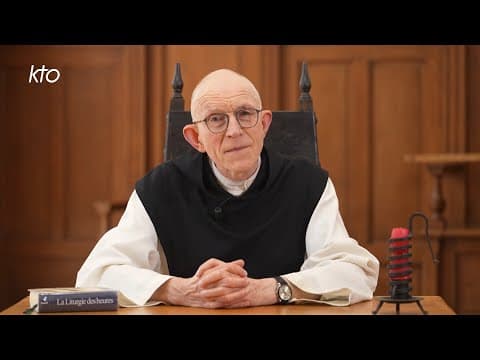
The Body as an Instrument of Prayer
This blog post explores the significance of the body in prayer, emphasizing how physical presence and actions can enhance spiritual connection and devotion. It discusses the distractions faced during prayer and the importance of being present in both body and spirit.
In our journey of faith, we often overlook the profound connection between our physical bodies and our spiritual practices. The body is not merely a vessel; it is a magnificent instrument of prayer. This article delves into how we can utilize our bodies to enhance our prayer life and deepen our relationship with the divine.
The Multifaceted Nature of Prayer
Prayer is not confined to a single posture or method. It encompasses a variety of actions and expressions:
- Seeing: Observing the beauty of creation and recognizing the divine in our surroundings.
- Hearing: Listening to the whispers of God in our hearts and the world around us.
- Speaking: Articulating our thoughts, desires, and gratitude in conversation with God.
- Singing: Using our voices to praise and worship.
- Eating: Sharing meals as a form of communion and gratitude.
Prayer can take many forms: kneeling, sitting, standing, walking, running, or even dancing. Each posture serves a purpose, allowing us to express our devotion and connect with God in unique ways.
The Challenge of Distraction
Despite our intentions, many of us struggle with distractions during prayer. It is common to find our minds wandering to:
- Past encounters that left us unsettled.
- Tasks we need to complete, such as phone calls or visits to loved ones.
- Upcoming plans that occupy our thoughts.
These distractions can make it difficult to focus on our spiritual intentions. However, it is essential to recognize that while our minds may drift, our bodies remain present. This physical presence can serve as a reminder of our commitment to prayer.
The Body's Role in Spiritual Connection
Our bodies play a crucial role in our spiritual lives. They express our intentions and desires to connect with God. For instance:
- Standing: This posture can awaken our souls, encouraging us to stand upright before God, embodying resurrection and hope.
- Sitting: It invites us to emulate Mary, who sat at Jesus' feet, listening and absorbing His teachings.
- Kneeling: This position fosters a sense of reverence and humility, allowing us to adore the Holy One and express sincere contrition.
As we engage in these physical expressions of prayer, we can cultivate a deeper awareness of our spiritual state and intentions.



















