
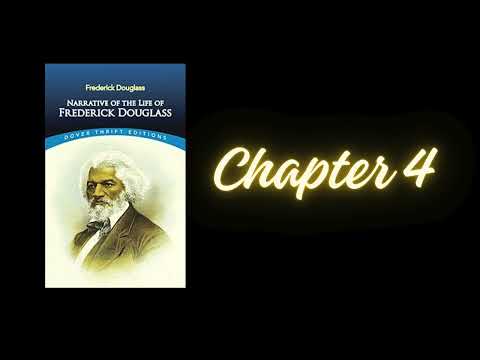
This blog post explores the harrowing experiences of Frederick Douglass as he recounts the cruelty of overseers like Mr. Gore and the systemic violence against enslaved individuals, highlighting the moral depravity and societal acceptance of such acts during his time.
Frederick Douglass, a former enslaved person and a prominent abolitionist, provides a chilling account of the brutality faced by slaves in his narrative. In Chapter 4 of his autobiography, he details the oppressive conditions under overseers, particularly focusing on Mr. Austin Gore, whose cruelty exemplified the systemic violence of slavery.
Mr. Hopkins, the initial overseer, was replaced by Mr. Austin Gore, who embodied the traits necessary for a first-rate overseer. Gore was not only ambitious and proud but also cruel and artful, making him a perfect fit for the role. His tenure was marked by a complete disregard for the humanity of the enslaved individuals under his control.
Gore's demeanor was one of intimidation. He could twist the slightest action of a slave into an act of defiance, punishing them without hesitation. The slaves lived in constant fear, knowing that any accusation from Gore would lead to severe punishment, regardless of their innocence. His philosophy was clear: it was better for many slaves to suffer than for an overseer to be proven wrong.
Under Gore's supervision, the slaves were subjected to a regime of terror. He demanded absolute obedience and showed no mercy. His presence alone instilled fear, and his commands were delivered with a chilling authority. Gore's cruelty was not just physical; it was psychological, as he relished in the power he wielded over the enslaved.
One of the most horrific incidents recounted by Douglass involved the brutal whipping of a slave named Denby. When Denby attempted to escape punishment by jumping into a creek, Gore responded with lethal force. He shot Denby without hesitation, claiming it was necessary to maintain order among the slaves. This act of violence was not only accepted but justified within the context of maintaining control over the enslaved population.
Gore's actions went unpunished, reflecting the broader societal acceptance of violence against slaves. Douglass notes that killing a slave was not treated as a crime in Talbot County, Maryland. The community, including local authorities, turned a blind eye to such atrocities, allowing perpetrators like Gore to continue their reign of terror without fear of retribution.
Douglass also recounts other brutal acts committed by white individuals against enslaved people. For instance, a woman named Mrs. Hicks murdered a young girl for falling asleep while caring for her baby. The murder was acknowledged but not prosecuted, illustrating the pervasive culture of violence and impunity that surrounded slavery.
Frederick Douglass's narrative serves as a powerful reminder of the inhumanity of slavery and the moral depravity of those who enforced it. The accounts of overseers like Mr. Gore reveal a system built on fear, cruelty, and a complete disregard for human life. Douglass's experiences highlight the urgent need for societal change and the abolition of slavery, a cause he dedicated his life to championing.



















