
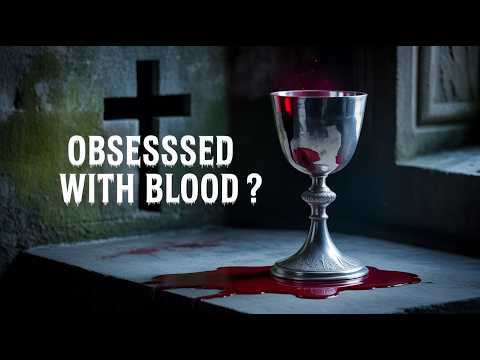
This blog post explores the pervasive theme of blood in Christianity, examining its theological significance, psychological implications, and cultural consequences. It discusses how the obsession with blood shapes beliefs about forgiveness, morality, and suffering, and critiques the normalization of violence within the faith. The article argues that this fixation on blood reveals deeper issues within the religion and raises questions about the values it promotes.
The phrase "washed in the blood" is often heard in Christian circles, but few stop to consider the profound significance of blood within the faith. Blood is not merely a symbol in Christianity; it is a recurring theme that permeates the Bible and church practices. From the Old Testament's sacrificial system to the New Testament's crucifixion narrative, blood is central to the religion's understanding of sin, forgiveness, and salvation.
The Old Testament establishes a framework where every sin requires a blood sacrifice. The book of Leviticus states, "without the shedding of blood, there is no forgiveness." This principle set the stage for a worship system that revolved around animal sacrifices—bulls, goats, and lambs were slaughtered, their blood drained and offered on altars. This gruesome practice was not optional; it was a divine requirement for atonement.
The sacrificial system was designed to address human wrongdoing through bloodshed. Priests acted as butchers, performing rituals that involved cutting animals and splashing their blood to purify and cleanse. This established a clear message: access to God was contingent upon the spilling of blood. The Old Testament's emphasis on blood as a means of reconciliation laid the groundwork for the beliefs that would later be amplified in Christianity.
Christianity did not move away from the Old Testament's obsession with blood; it intensified it. The crucifixion of Jesus is not merely a tragic event but is celebrated as the ultimate act of love and sacrifice. In this belief system, one man's bloody death is said to pay for the sins of all humanity. This narrative transforms the cross from a symbol of execution into a beacon of hope and salvation.
The ritual of communion further illustrates this fixation. Believers partake in the symbolic act of eating flesh and drinking blood, which some denominations interpret as a literal consumption of Jesus' body and blood. This practice, while central to Christian worship, raises unsettling questions about the normalization of such imagery. The language surrounding communion—"This is my blood. Drink it"—is accepted without hesitation, yet it would be alarming in any other context.
The theological emphasis on blood creates a psychological cycle of dependency. By teaching that individuals are born guilty and that only blood can cleanse them, Christianity fosters feelings of unworthiness. Believers are reminded that someone else bled for them, creating a sense of gratitude intertwined with indebtedness. This cycle reinforces the belief that violence is necessary for reconciliation, echoing primitive rituals from ancient cultures.
The obsession with blood extends beyond theology into real-world behavior. Throughout history, wars and acts of violence have been justified using religious language about bloodshed. The idea that blood makes things right has been ingrained in societal norms, leading to a culture where violence is often seen as a means to achieve divine will.
The imagery of blood is not confined to religious settings; it permeates art, literature, and music within Christian contexts. From paintings of the crucifixion to hymns celebrating the power of blood, the glorification of suffering and sacrifice is pervasive. This cultural conditioning shapes how believers perceive morality, justice, and suffering.
Christianity's focus on blood distorts the understanding of morality. If forgiveness requires blood, then good deeds and kindness become secondary. A person can live a life of compassion but is deemed unworthy if they do not accept the blood of Jesus. This transactional view of morality undermines accountability and encourages harmful behaviors, as individuals may believe they can absolve themselves of guilt through ritual rather than genuine repentance.
The narrative of blood creates a division between the saved and the unsaved, reinforcing an us-versus-them mentality. Those who have not been "washed in the blood" are viewed as stained and unworthy, regardless of their character or actions. This perspective can lead to exclusion and discrimination, as seen in the historical use of the crucifixion story to justify anti-Semitism.
The consequences of this obsession with blood are profound. It shapes how individuals view suffering, often framing it as noble or redemptive. This mindset can lead to acceptance of harmful situations, as believers may be taught to endure rather than challenge abuse or injustice. The glorification of suffering can create a culture that normalizes trauma and discourages healing.
The fixation on blood also influences societal structures, including criminal justice systems that prioritize punishment over rehabilitation. The belief that someone must pay for wrongdoing is deeply embedded in Western culture, echoing the religious narrative that even God requires blood for forgiveness.
The centrality of blood in Christianity is not merely a theological quirk; it is a worldview that glorifies suffering, normalizes violence, and distorts morality. The implications of this obsession extend far beyond church walls, affecting individual psychology, cultural norms, and societal values. As long as blood remains the heartbeat of the faith, alternative understandings of forgiveness, compassion, and morality will be sidelined.
Ultimately, the question arises: what does it say about a belief system when blood is its most celebrated element? If Christianity is to evolve, it must confront its fixation on blood and explore pathways that prioritize love, accountability, and genuine reconciliation without the need for violence. Only then can it move towards a more compassionate and humane understanding of faith.



















