
This article explores the complexities of wind energy integration into power grids, focusing on Ireland's unique challenges and innovative solutions, including gearbox issues, grid frequency management, and the development of a hydrogen economy.
Wind energy has emerged as a significant player in the global shift towards renewable energy sources. However, integrating wind energy into existing power grids presents numerous challenges, particularly for isolated regions like Ireland. This article delves into the intricacies of wind energy, the engineering behind wind turbines, and the innovative solutions Ireland is pursuing to harness this abundant resource.
The map of the world's wind resources highlights why the central plains of America have the highest concentration of wind turbines. More wind translates to more power. Notably, Ireland stands out as a wind energy paradise, where during powerful storms, wind energy has been able to power the entire country for hours. On many days, wind energy provides the majority of the country's power, showcasing its potential to transform Ireland's energy future.
Despite its potential, increasing wind energy on an energy grid comes with significant logistical challenges. These challenges are particularly pronounced for small, isolated power grids like Ireland's. Mismanaged wind turbines can destabilize the grid, leading to issues ranging from power storage to grid frequency stabilization.
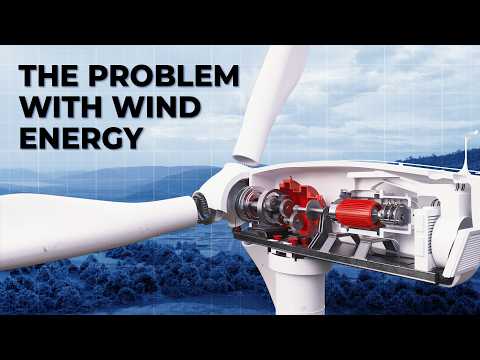
At the heart of wind energy generation lies the wind turbine, a complex piece of engineering. The massive turbine rotors rotate at low speeds (10 to 20 times per minute), but the generator requires a much faster rotation (1,800 times per minute) to produce useful electricity. This necessitates the use of gearboxes, which convert the low-speed, high-torque rotation of the rotor into the high-speed rotation needed by the generator.
Wind turbine gearboxes are designed in stages, using planetary gears to increase rotational speed. However, these heavy gearboxes, weighing around 15 tons, have become a source of frustration for power companies. Designed for a 20-year lifespan, many fail within seven years, leading to high maintenance costs, which can reach nearly 20% of the levelized cost of energy. The exact causes of gearbox failures remain unclear, but wear manifests as small cracks on the bearings, known as White Edge cracks.
To mitigate maintenance costs, some manufacturers are exploring direct drive systems that connect the blades directly to the generator. This requires a different type of generator that can match the grid frequency. The largest wind turbine, the HiAD X, employs this system, featuring a large diameter generator positioned directly behind the blades. However, this approach introduces its own challenges, particularly concerning the supply of rare earth metals needed for permanent magnets, which are predominantly controlled by China.
One of the critical challenges of integrating wind energy is managing grid frequency. Wind turbines are nonsynchronous, meaning they cannot raise the grid frequency if it drops. This necessitates additional infrastructure to maintain a stable grid. For instance, in the UK, grid operators have had to monitor television viewing habits to manage sudden increases in electricity demand, such as when viewers turn on kettles during ad breaks.
Traditional power sources like coal and nuclear provide inertia, which helps stabilize the grid during sudden demand spikes. Wind turbines, however, lack this inertia due to their reliance on inverters to connect to the grid. This disconnect can create vulnerabilities, especially as older energy sources are phased out.
Ireland has been proactive in addressing these challenges. In 2023, the country installed the world's largest flywheel, a 120-ton steel shaft that rotates at 3,000 times per minute, at a former coal power plant site. This flywheel provides the necessary inertia to stabilize the grid, but Ireland will need additional flywheels to meet its climate goals.
As an isolated island, Ireland faces challenges in energy trading, which is crucial for grid stability. Currently, Ireland has two interconnections with Great Britain, but none with mainland Europe. A planned 700-megawatt interconnection with France aims to enhance energy trading capabilities, allowing Ireland to sell excess wind energy or purchase energy when wind production is low.
To further bolster its energy strategy, Ireland is developing a hydrogen economy. The government has outlined plans to produce green hydrogen using surplus wind energy, positioning the country as a potential leader in renewable energy exports. With abundant fresh water and a strategic location, Ireland is well-suited to develop this sector.
While wind energy presents significant challenges, Ireland's innovative approaches to integrating this resource into its power grid demonstrate the potential for a sustainable energy future. By addressing gearbox issues, managing grid frequency, and developing a hydrogen economy, Ireland is paving the way for a more energy-secure and economically prosperous future. As the world transitions from traditional energy commodities to renewable sources, Ireland's experience offers valuable insights into the complexities and possibilities of wind energy integration.



















