
This article explores the potential of large-scale solar power in the Sahara, discussing the benefits, challenges, and environmental impacts of such projects, particularly in light of recent studies on climate effects and energy output.
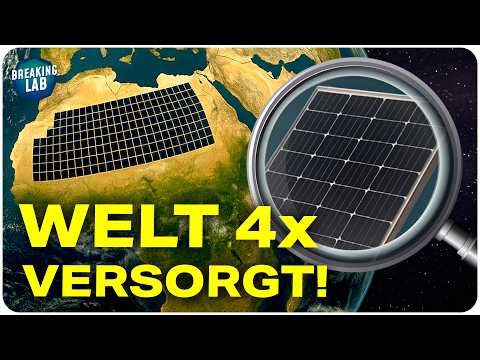
The United Arab Emirates is currently constructing the largest solar power plant in the world, which will cover an area of 90 square kilometers and generate over 5 gigawatts of power. Solar power plants in desert regions yield an exceptionally high energy output. In fact, if we were to cover the entire Sahara Desert with photovoltaic modules, it could potentially meet the global electricity demand four times over. However, studies indicate that large solar power plants in deserts can significantly disrupt the global climate, presenting several challenges. This article delves into the potential of XXL desert solar power plants and the associated issues.
Solar panels require sunlight, and it seems logical to place them in areas with the highest solar radiation. The Global Solar Atlas illustrates regions based on their photovoltaic output, with deserts showing particularly high energy potential due to their dry conditions. Deserts often form due to the rain shadow effect of mountains, which prevents moist air from reaching certain areas, resulting in dry climates. This phenomenon is crucial in the formation of deserts like the Atacama, Gobi, and Mojave.
Interestingly, deserts have a high albedo, reflecting 30 to 50% of incoming solar radiation back into space. This reflective quality can create a cooling effect on the climate, which is an important consideration when discussing large-scale solar installations.
High Solar Radiation: The energy yield from photovoltaic modules is significantly higher in desert regions due to the abundant sunlight.
Unused Land: Deserts cover about one-third of the Earth's surface and are typically flat and unsuitable for agriculture, industry, or habitation. This makes them ideal candidates for solar energy production.
The UAE has recognized these advantages and is building a massive photovoltaic power plant near Abu Dhabi, which will have a capacity of 5.2 gigawatts and include a battery storage system of 19 gigawatt-hours, costing around 6 billion euros. This project is expected to be operational by 2027.
While the potential for solar energy in the Sahara is immense, there are significant environmental concerns. A study from Germany in 2024 found that large photovoltaic solar parks can influence local weather patterns. The study, which was funded by the UAE, revealed that photovoltaic modules, being darker than sand, absorb more solar energy, leading to the formation of warm updrafts. These updrafts can interact with moist air from the Persian Gulf, potentially leading to cloud formation and precipitation.
The study examined various scenarios of solar farm sizes, concluding that even a 100 square kilometer solar park could increase local water availability. However, the overall effect would be minimal, with only 0.0048 mm of additional rainfall across the UAE per year.
On a larger scale, if 20% of the Sahara were covered with photovoltaic modules, it could lead to significant climatic changes, including an increase in surface temperatures by up to 1.28 degrees Celsius. This warming could alter air pressure and lead to increased rainfall, potentially affecting weather patterns globally. For instance, Europe could experience more cloud cover, while regions like Scandinavia might see a slight increase in photovoltaic potential.
Despite the potential benefits, there are numerous challenges associated with large-scale solar power in desert environments:
The exploration of solar power in the Sahara presents both exciting opportunities and significant challenges. While the potential for energy generation is vast, the environmental impacts and logistical hurdles must be carefully considered. As research continues, it is crucial to balance the benefits of renewable energy with the preservation of delicate ecosystems and climate stability. The journey towards harnessing solar power in the Sahara is still in its early stages, and further studies will be essential to understand the full implications of such large-scale projects.



















