
This blog post explores the complexities and challenges of building green megaprojects, highlighting the failures of major infrastructure projects worldwide, the impact of environmental regulations, and the need for better planning and execution to combat climate change effectively.
In the 21st century, ambitious engineering projects like high-speed rail systems promise to revolutionize transportation and reduce greenhouse gas emissions. However, many of these projects, such as California's high-speed rail, have become symbols of inefficiency and delay. This blog post delves into the reasons behind the struggles of green megaprojects and explores potential solutions to expedite their completion in the fight against climate change.
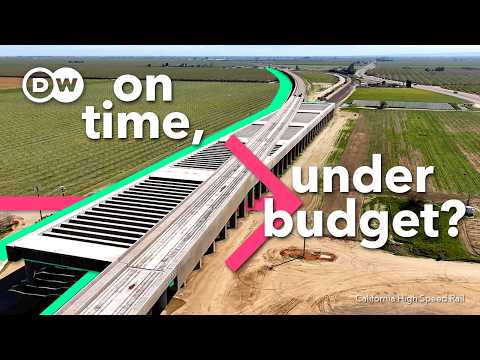
California's high-speed rail project, proposed nearly three decades ago, has faced significant setbacks. Approved in 2008 and breaking ground in 2015, it has yet to see any stations built and is billions over budget. This situation is not unique; numerous large-scale projects worldwide, from hydropower plants in Australia to nuclear facilities in India, are plagued by similar issues of cost overruns and delays.
Despite these challenges, the need for effective infrastructure is critical in combating global warming. Major projects are essential for reducing carbon emissions and transitioning to sustainable energy sources. Yet, the current state of project execution raises concerns about our ability to deliver these vital solutions.
Historically, the construction of significant infrastructure was more straightforward. For instance, the transcontinental railroad in the United States was completed in just six years during the 1860s. In contrast, modern projects often take decades to complete, with many failing to meet their original timelines and budgets.
Bent Flyvbjerg, a researcher on megaprojects, notes that failures outnumber successes in this arena. His research indicates that many projects experience significant delays and cost overruns, failing to deliver the promised benefits. For example, Morocco's solar buildout has faced substantial delays, while France's latest nuclear plant took 12 years longer and cost four times its initial estimate.
One of the primary reasons for the difficulties in executing megaprojects is the complexity involved in their planning. Each project is unique, requiring tailored approaches that can complicate execution. A 2022 study revealed that none of the 14 recent nuclear power plants completed in Europe, the US, and China were finished on time, highlighting the systemic issues in project management.
Experts like Ed Merrow argue that governments often lack the necessary expertise to manage these complex projects effectively. They tend to delegate responsibilities to contractors, which can lead to mismanagement and inefficiencies. A more coordinated approach by governments could improve project outcomes.
Another significant hurdle for green infrastructure projects is the increasing complexity of environmental regulations. In the 1970s, project developers submitted around ten pages detailing environmental impacts; today, this has ballooned to an average of 600 pages, taking approximately 4.5 years to produce. While these regulations aim to protect the environment, they can inadvertently delay essential green projects.
Jim Salzman, an environmental lawyer, points out that the very laws designed to protect the environment can also hinder projects intended to combat climate change. For instance, the California high-speed rail project has been stalled by lawsuits and environmental approvals, while the UK's HS2 rail project faced delays due to concerns over ancient woodlands.
Local opposition to infrastructure projects, often termed NIMBY (Not In My Backyard), complicates the situation further. While many residents have genuine environmental concerns, others may oppose projects due to personal interests, such as property values or aesthetics. This opposition has contributed to over half of the delayed renewable projects in the US between 2008 and 2021 facing environmental impact challenges.
Despite these challenges, some countries have successfully built extensive infrastructure networks. Spain, for example, developed the second-largest high-speed rail network in the world relatively quickly and cost-effectively. This success can be attributed to competitive bidding processes, institutional knowledge, and a general consensus on the importance of high-speed rail.
China's rapid infrastructure development since the 1970s offers additional insights. The country has achieved remarkable economies of scale in building roads, railways, and energy infrastructure. However, this rapid expansion often comes at the expense of environmental considerations and citizen input, highlighting the need for a balanced approach.
As we look to the future, the construction of renewable energy projects like wind and solar farms presents a more manageable alternative to complex megaprojects. These modular projects can be built more quickly and with fewer delays. For instance, the London Array Windfarm, once the largest in the world, was completed in just two years.
To succeed in building the infrastructure necessary to combat climate change, we must focus on what works. This includes prioritizing simpler, modular projects and investing time in thorough planning. The motto of experienced project leaders is to "think slow, act fast," emphasizing the importance of careful preparation before construction begins.
As we face the urgent challenge of climate change, the need for effective infrastructure development has never been more critical. While the road ahead may be fraught with challenges, learning from past failures and successes can guide us toward a more efficient and effective approach to building the green infrastructure we need. The time to act is now, and we must find ways to expedite these essential projects while balancing environmental concerns and local opposition.
What major infrastructure projects are underway in your area? How are they progressing? Share your thoughts in the comments below.



















