
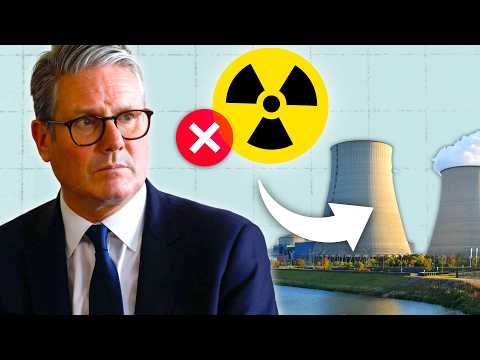
The UK is struggling to build new nuclear power stations like Hinkley Point C and Sizewell C due to rising costs, regulatory hurdles, and a lack of recent experience in nuclear construction, raising concerns about the future of nuclear energy in the country.
Nuclear energy has long been a significant part of the UK's power generation, but the country is currently facing substantial challenges in building new nuclear infrastructure. This article explores the current state of nuclear power in the UK, focusing on the ongoing projects Hinkley Point C and Sizewell C, and the reasons behind the difficulties in upgrading the nuclear power system.
As of 2022, nuclear power accounted for approximately 15% of the UK's electricity generation. This figure has been on a decline from around 25% in the late 1990s. While the rise of renewable energy sources like solar and wind has contributed to this decrease, a significant factor is the decommissioning of aging nuclear reactors without sufficient new constructions to replace them.
Currently, the UK has nine operational nuclear generators located in various regions, including Hartlepool, Hinkley, and Sizewell. However, many of these reactors are scheduled for closure in the coming years:
Some may argue that the UK should transition entirely to renewable energy sources. However, the Labour government believes that the country cannot solely rely on wind and solar power due to their variability. As a result, there is a pressing need for a more reliable form of electricity generation to serve as a backup when renewable sources are insufficient. This has led to renewed interest in nuclear energy, with the government advocating for the construction of new reactors like Hinkley Point C and Sizewell C.
Hinkley Point C, currently under construction in Somerset, is expected to operate for 70 years and generate approximately 3.2 gigawatts of power, accounting for about 7% of the UK's total energy generation. The project is a joint venture between Electricité de France (EDF) and China General Nuclear Power Corporation (CGN).
Originally, construction was slated to begin in 2017, with an estimated completion date of 2025 and a budget of £18 billion. However, the timeline has since been pushed back to 2029, with further delays possible, and costs have ballooned to between £31 billion and £35 billion based on 2015 prices, equating to around £46 billion in today's terms. This makes Hinkley Point C the most expensive nuclear power station ever built, nearly four times more costly per megawatt than the average nuclear plant in South Korea.
Several factors have contributed to the delays and cost overruns at Hinkley Point C:
As the next major nuclear project, Sizewell C is under scrutiny to see if lessons from Hinkley Point C have been learned. The design for Sizewell C is intended to be similar to Hinkley Point C, which should streamline the regulatory process. Furthermore, it is being financed through a new regulated asset base (RAB) scheme, allowing electricity customers to contribute to the developers' costs via an energy bill surcharge.
However, Sizewell C is already facing challenges, with its expected costs doubling from £20 billion to £40 billion, potentially making it the second most expensive nuclear power plant after Hinkley Point C. This raises concerns about the viability of the project and the UK's ability to learn from past experiences.
The future of nuclear energy in the UK is uncertain, with significant challenges in building new reactors like Hinkley Point C and Sizewell C. Rising costs, regulatory hurdles, and a lack of recent experience in nuclear construction are all contributing factors to the difficulties faced by the UK in upgrading its nuclear power infrastructure. As the country seeks to balance its energy needs with its climate goals, the path forward for nuclear energy remains complex and fraught with challenges.



















