
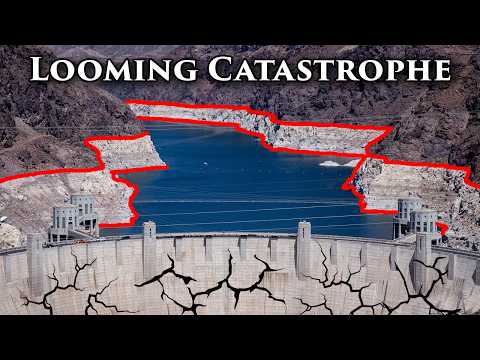
The Colorado River Compact, established in 1922, has led to severe water mismanagement in the Southwest, favoring certain states and causing ecological and economic crises. This blog explores its historical context, current implications, and the urgent need for renegotiation to prevent disaster.
The Colorado River Compact, an agreement forged in 1922, has become a significant factor in the water crisis affecting the southwestern United States. Originally designed to regulate water usage among states, this compact has led to severe mismanagement and inequities that threaten agriculture, businesses, and the environment. This blog post delves into the history of the compact, its implications today, and the urgent need for renegotiation.
In 1922, Herbert Hoover, then the Secretary of Commerce, orchestrated the Colorado River Compact. This agreement was intended to govern how much fresh water the southwestern states and Wyoming could draw from the Colorado River drainage basin, a region characterized by deserts and arid climates. Prior to the compact, a League of the Southwest had been regulating the river through informal agreements, but the compact established a federal mandate under the reclamation authority.
The compact was negotiated based on existing water usage at the time, without consideration for future changes in climate or population growth. The Colorado River, which once flowed abundantly, has seen significant reductions in water levels since the 1920s. The construction of the Hoover Dam in 1932 created Lake Mead, which now serves as a critical regulator of water distribution across the region.
The compact has led to a situation where states like California and Arizona benefit disproportionately from water allocations. While the compact was designed to divide water usage evenly, it has favored California, leaving other states, particularly those in the upper basin, at a disadvantage. This has resulted in regular shortages and conflicts over water rights.
A common misconception is that Las Vegas is primarily responsible for the declining water levels in Lake Mead. In reality, the overuse by California and Arizona is the main culprit. Nevada, which draws only 4% of its water from the lower basin, is often unfairly blamed for the crisis.
The Colorado River Compact has created artificial scarcity, leading to regular shortages since 2000. The compact's rigid structure prevents states from adapting to changing conditions, exacerbating the impact of global warming and drought. Agriculture in regions like the Imperial Valley is at risk, and Mexico receives only a fraction of the water it once did, despite treaties meant to ensure its share.
The compact has also led to numerous legal disputes, including cases involving indigenous tribes seeking water rights guaranteed by treaties. The ongoing conflicts highlight the need for a comprehensive reevaluation of water rights and usage in the region.
As the Southwest faces increasing water scarcity, the need to renegotiate the Colorado River Compact becomes more urgent. California's reluctance to revisit the agreement, combined with the apathy of upper basin states, threatens the entire region's water supply. Without a new agreement, the potential for catastrophic water shortages looms.
In response to the challenges posed by the compact, states are exploring innovative solutions to conserve and recycle water. The Southern Nevada Water Authority, for example, operates advanced treatment plants that renew wastewater and promote drought-resistant practices. These initiatives demonstrate the potential for technological advancements to address water scarcity.
The Colorado River Compact, established nearly a century ago, has led to significant mismanagement of water resources in the Southwest. As the region grapples with the consequences of this outdated agreement, it is crucial for states to come together and renegotiate terms that reflect current realities. The future of the Southwest depends on our ability to adapt and innovate in the face of water scarcity.
Organizations like Team Water are working to address global water scarcity issues. By supporting initiatives that provide access to clean water, we can help communities around the world facing similar challenges. Consider donating to help combat water scarcity and support sustainable solutions for future generations.



















