
This blog post explores the intricate process of creating international treaties, specifically focusing on the proposed Plastics Treaty aimed at addressing the global plastic pollution crisis. It discusses the challenges, key players, and the ongoing negotiations that highlight the difficulties in reaching a consensus among nations.
International treaties are essential for addressing global issues, yet the process of creating them is fraught with challenges. This blog post delves into the intricate journey of crafting an international treaty, using the proposed Plastics Treaty as a case study. We will explore the key players involved, the scientific background of the plastic pollution crisis, the challenges faced during negotiations, and the future of international cooperation in this area.
The first step in creating an international treaty is identifying a pressing global issue. In this case, the focus is on the plastic pollution crisis, which has reached alarming levels. According to the United Nations Environment Programme (UNEP), global plastic production has surpassed 400 million metric tons per year. Of the billions of tons of plastic waste produced, less than 10% has been recycled, while an estimated 12% has been incinerated. The majority ends up in landfills or is released into the environment, particularly in waterways and oceans.
Every year, approximately 20 million tons of plastic waste leak into aquatic ecosystems, and this problem is worsening. Scientists like Neil Nathan from the University of California have developed models to project plastic consumption and waste management through 2050, revealing that without strong and ambitious treaties, plastic pollution could nearly double by that year.
The issue of plastic pollution extends beyond visible waste. Dr. Kristos Simonides highlights the growing awareness of microplastics and nanoplastics, which have been found in the air we breathe and the water we drink. These particles can enter our bodies, raising concerns about their safety and health implications. The urgency to address plastic pollution is underscored by the need for a comprehensive international treaty.
In 2022, the United Nations Environment Assembly took a significant step by passing resolution 514, which initiated the process of creating a legally binding treaty on plastic pollution, including in marine environments. This resolution led to the formation of an Intergovernmental Negotiating Committee (INC), composed of representatives from member states, with the goal of finalizing the treaty by the end of 2024.
The negotiation process involves multiple INC summits, where delegates gather to discuss the treaty's scope, objectives, and structure. The fifth INC summit (INC5) took place in November 2024 in Busan, South Korea, with nearly 180 countries represented. The summit included around 3,800 participants, including delegates, civil society representatives, scientists, and lobbyists from various sectors.
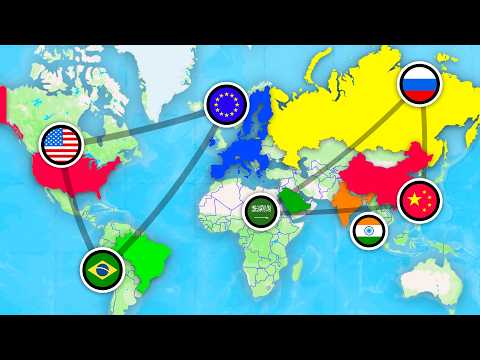
A significant challenge in these negotiations is the divergence of interests among countries. Two main groups emerged: the High Ambition Coalition, which advocates for a comprehensive approach to tackle plastic pollution across its entire lifecycle, and the Like-Minded Group, primarily composed of major oil-producing nations like Russia, Iran, and Saudi Arabia. The latter group opposes any commitments to reduce plastic production, viewing such measures as threats to their economies.
While plenary sessions allow for broad discussions, much of the critical work occurs in smaller contact groups that focus on specific treaty articles. Ideally, these groups would build the agreement article by article, leading to a final draft for approval. However, the reality is often more complicated, with procedural disagreements and differing priorities stalling progress.
During INC5, the opening plenary revealed significant tensions, with accusations of delay tactics from the Like-Minded countries. The requirement for consensus, insisted upon by these nations, posed a major hurdle. This principle means that any single country can effectively veto agreements, complicating negotiations on contentious issues like production cuts and harmful chemicals.
Despite these challenges, the contact groups eventually began their work, but progress was slow. By the end of the summit, no final treaty was agreed upon, and the timeline for completion was pushed to 2025, with plans for a follow-up meeting dubbed INC 5.2.
While INC5 did not yield a finalized treaty, it demonstrated a clear desire for action among many nations. Over 100 countries expressed support for limiting plastic production, and around 140 countries backed the obligation to phase out harmful chemicals. This momentum indicates that there is still a strong push for an agreement that addresses the full lifecycle of plastic, including production, design, and disposal.
The journey to create an international treaty to combat plastic pollution is complex and fraught with challenges. However, the ongoing negotiations and the commitment from many countries signal a hopeful future for international cooperation in addressing this critical global issue. As the world continues to grapple with the plastic pollution crisis, the need for a comprehensive and effective treaty remains more urgent than ever.



















