
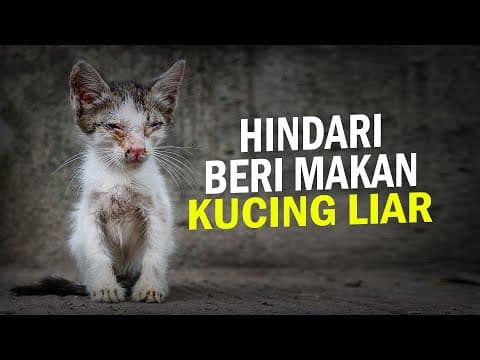
Feeding stray cats may seem compassionate, but it can lead to increased populations, dependency, and ecological harm. Alternatives like adoption and TNR programs are more effective for managing stray cat populations and ensuring their welfare.
Feeding stray cats is a common act of kindness that many people engage in, driven by compassion for these animals that lead difficult lives. However, this seemingly benevolent action can have unintended consequences that affect not only the cats but also the surrounding environment and community. This article explores the implications of feeding stray cats and presents alternative solutions for their welfare.
Before delving into the consequences of feeding stray cats, it is essential to understand the different types of cats involved. According to Merriam-Webster, a wild cat is a non-domestic cat that lives in the wild, such as bobcats and ocelots. In the context of this discussion, we focus on two categories:
Many people feel a strong urge to feed stray cats, believing they are helping alleviate their suffering. This act can bring joy and a sense of purpose, as it seems to provide immediate relief to these animals. However, this assistance can lead to dependency, where cats rely on humans for food instead of utilizing their natural hunting instincts.
While feeding stray cats may seem like a noble act, it can have several negative consequences:
Feeding stray cats can inadvertently lead to a population boom. For instance, if two stray cats are fed regularly, they can reproduce rapidly, leading to exponential growth in their numbers. A female cat can give birth to multiple litters each year, compounding the issue of overpopulation.
In regions like Australia, where native wildlife is already under threat, the presence of feral cats has led to significant ecological damage. Studies indicate that feral cats kill billions of birds and mammals annually, contributing to the decline of various species. The introduction of more stray cats into an ecosystem can exacerbate these issues, leading to further endangerment of local wildlife.
Stray cats often carry diseases that can be transmitted to other animals and even humans. They are not vaccinated and can harbor parasites, viruses, and bacteria. Feeding them can increase the risk of disease spread within the community, posing a health hazard to both pets and people.
The act of feeding stray cats can create friction within neighborhoods. Some residents may be allergic to cats or concerned about hygiene, leading to complaints and potential regulations against feeding them. This can create a divide among community members, complicating the issue further.
Given the potential drawbacks of street feeding, it is crucial to consider alternative methods to support stray cat populations:
The most effective way to help stray cats is through adoption. By providing a permanent home, individuals can ensure that these animals receive proper care, nutrition, and medical attention.
TNR programs involve trapping stray cats, neutering or spaying them, and then returning them to their original location. This method helps control the population without harming the cats and allows them to live out their lives in their familiar environment. TNR can significantly reduce the number of kittens born each year, leading to a more stable cat population.
Contributing to local animal shelters can provide much-needed resources for the care and management of stray cats. Shelters often have programs in place to help control populations and provide medical care for these animals.
Educating the community about the implications of feeding stray cats and promoting responsible pet ownership can help mitigate the issues associated with stray populations. Encouraging spaying and neutering of pets can also reduce the number of strays in the long run.
While the instinct to feed stray cats comes from a place of compassion, it is essential to recognize the broader implications of this action. By understanding the complexities involved and exploring alternative solutions, we can better support the welfare of stray cats while also protecting our communities and ecosystems. Adopting, participating in TNR programs, and supporting animal shelters are proactive steps that can lead to a healthier balance between humans and stray cats in our neighborhoods.



















