
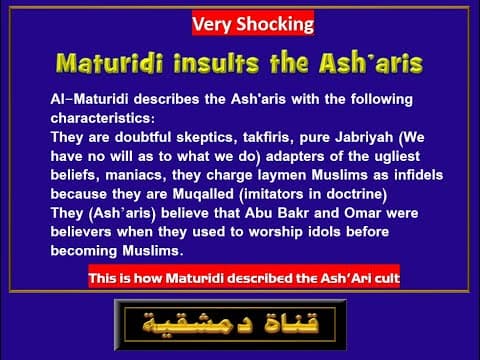
This blog post explores the deep doctrinal differences between the Maturidi and Ashari schools of thought, particularly focusing on the Maturidi's accusations that Asharis deny the Quran as the literal word of Allah. It discusses the implications of these beliefs on Islamic unity and the understanding of divine attributes.
The ongoing theological debate between the Maturidi and Ashari schools of thought has significant implications for Islamic doctrine and unity. This post delves into the accusations made by the Maturidi scholar Abu Maturid against the Asharis, particularly regarding their views on the Quran and its status as the word of Allah.
Abu Maturid, in his writings, vehemently criticizes the Ashari belief that the Quran is not the literal word of Allah. He argues that this perspective allows for extreme positions, such as the justification of burning the Quran. Maturid asserts that the Asharis claim the Quran merely indicates the word of Allah rather than being the word itself. This distinction, he argues, undermines the sanctity of the Quran and leads to dangerous theological conclusions.
Maturid points out that the Ashari philosophy stems from a broader theological framework that he believes diminishes the divine attributes of Allah. He cites that Asharis argue that the Quran is a created entity, which contradicts the belief that it is eternal and uncreated. This philosophical divergence is not merely a secondary matter; Maturid insists it is a fundamental difference that affects the core beliefs of the Muslim community.
Maturid's critique extends to the implications of Ashari beliefs on the understanding of divine will and human agency. He argues that Asharis deny the absolute will of individuals in performing good or evil deeds, attributing all actions solely to Allah's will. This perspective, according to Maturid, reduces human beings to mere puppets, devoid of true agency, which he finds unacceptable.
Maturid also addresses the implications of Ashari beliefs on the lay Muslim community. He claims that Asharis often accuse laypeople of disbelief for adhering to traditional beliefs without deep philosophical understanding. This accusation, he argues, creates a rift within the community, as the majority of Muslims may not possess the philosophical training to engage with these complex theological debates.
Another critical point raised by Maturid is the Ashari stance on divine knowledge. He argues that Asharis believe that no one, not even the prophets or angels, can fully comprehend Allah's essence. This belief, he contends, equates the knowledge of prophets with that of ordinary humans, which he finds deeply problematic.
Maturid emphasizes that the division between the Maturidi and Ashari schools is not merely academic but has real consequences for the unity of the Muslim ummah. He warns that as long as these philosophical differences persist, the community will remain fragmented, both in belief and practice. He calls for a return to the foundational beliefs of Islam that emphasize the Quran's status as the uncreated word of Allah.
The theological rift between the Maturidi and Ashari schools highlights significant doctrinal differences that impact the understanding of the Quran and the nature of Allah. Maturid's accusations against the Asharis serve as a reminder of the complexities within Islamic theology and the importance of addressing these differences to foster unity within the Muslim community. As believers navigate these challenging discussions, it is crucial to seek a deeper understanding of their faith and the implications of their beliefs on their spiritual lives.



















