
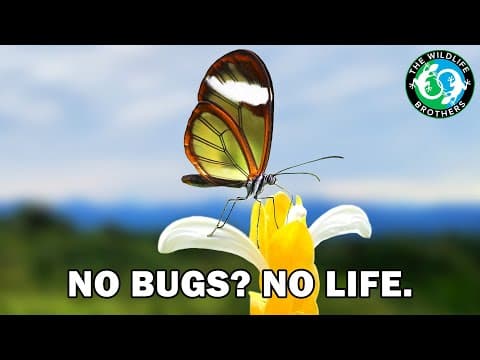
Insects are vital to our ecosystem, providing essential services such as pollination, decomposition, and serving as a food source for other animals. Despite their importance, insect populations are declining rapidly, threatening global food security and biodiversity. Understanding and protecting insects is crucial for maintaining ecological balance and human survival.
Imagine a world where food cannot grow, clean air is scarce, and the vibrant life we cherish—from flowers in our gardens to birds in the park—ceases to exist. This scenario may sound apocalyptic, but it is a reality we would face without insects. These tiny creatures play an indispensable role in our ecosystem, and their absence would lead to catastrophic consequences for all life on Earth.
Insects are often misunderstood; many people either find them uninteresting or are terrified of them. However, if we look beyond their creepy appearances, we discover that insects are among the most fascinating and vital organisms on the planet. They are not just numerous; they are essential for the survival of countless species, including humans.
Insects are the most diverse group of animals on Earth, with over 1 million known species and estimates suggesting that the total number could range from 2 million to a staggering 10 million. This incredible diversity allows insects to adapt to nearly every ecosystem on the planet, except for the ocean. Their adaptability has led to specialized lifestyles that enable them to thrive in various environments.
Insects fulfill numerous roles in the ecosystem, including:
Herbivores: Many insects, such as caterpillars and beetles, feed on plant material. They play a crucial role in making the energy produced by plants available to other animals, forming the foundation of the food web.
Predators: Insects like dragonflies and tiger beetles are effective hunters, controlling the populations of other insects and maintaining ecological balance. For instance, dragonflies have an impressive 95% hunting success rate.
Scavengers and Decomposers: Insects such as dung beetles and flesh flies break down dead and decaying organisms, recycling nutrients back into the ecosystem. This process is vital for maintaining soil health and nutrient cycling.
The relationships between insects and other organisms are intricate and often overlooked. For example, ants and birds may seem unrelated, but they can share habitats and resources in ways that are essential for both species' survival. Losing one species can have unforeseen consequences for others, highlighting the interconnectedness of life.
Humans rely on insects more than we realize. They provide numerous ecosystem services, including:
Despite their critical roles, insect populations are declining at an alarming rate. Studies suggest that we are losing about 2% of the global insect population each year. If this trend continues, we could lose a third of all known animal species in less than 40 years. Currently, over 40% of insect species are threatened with extinction, and the actual number may be even higher due to a lack of comprehensive studies.
To combat this ecological crisis, we must take both personal and global actions:
One of the biggest barriers to insect conservation is the fear many people have of bugs. This fear often stems from misconceptions about their behavior. By educating ourselves and others about the true nature of insects, we can begin to change perceptions and encourage more people to engage in conservation efforts.
In conclusion, insects are not just creepy crawlies; they are vital components of our ecosystem. Their decline poses a significant threat to biodiversity and human survival. By understanding their importance and taking action to protect them, we can help ensure a healthier planet for future generations.
As we continue to explore the fascinating world of insects, we invite you to join us in this journey of discovery and conservation. Together, we can make a difference.



















